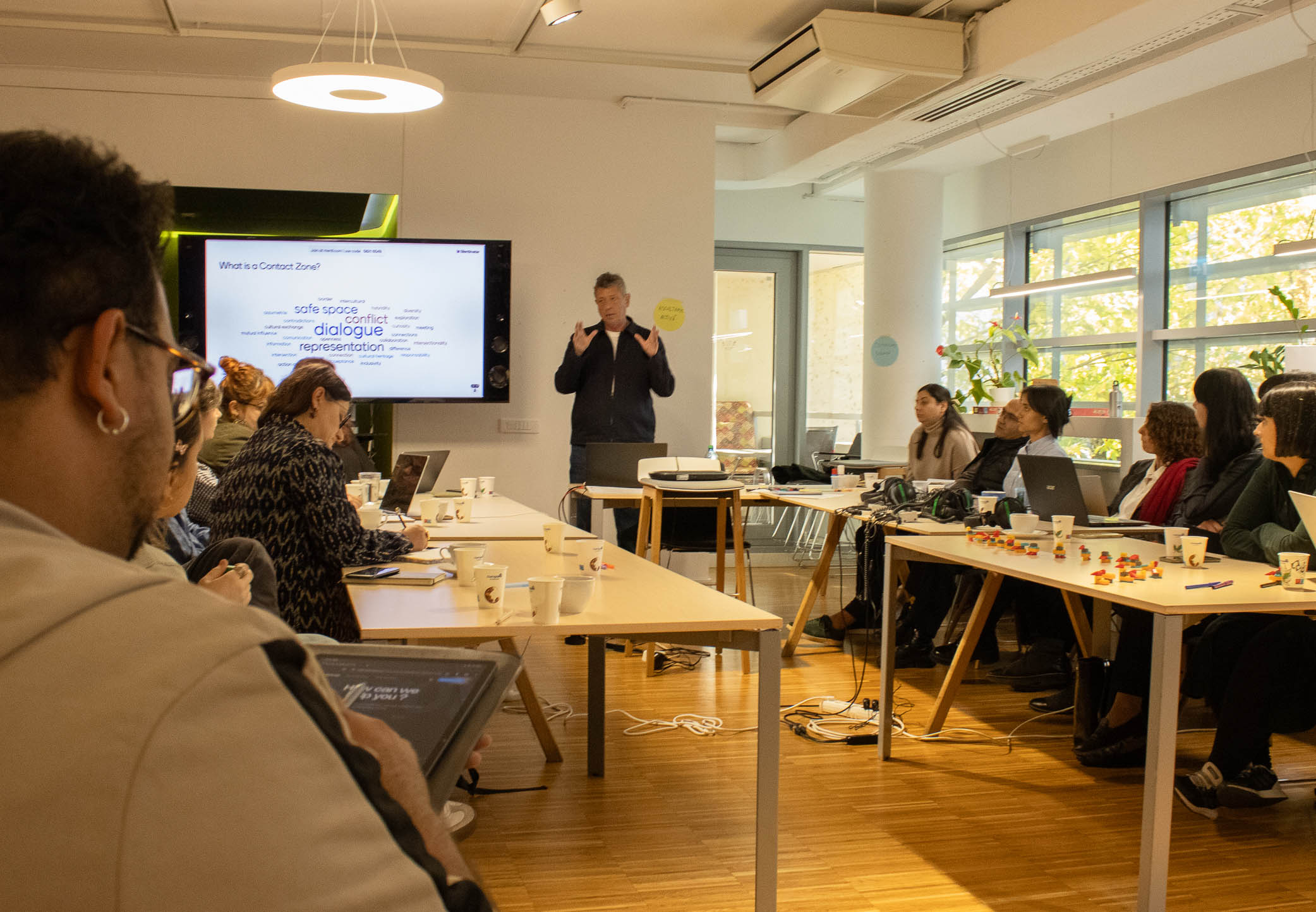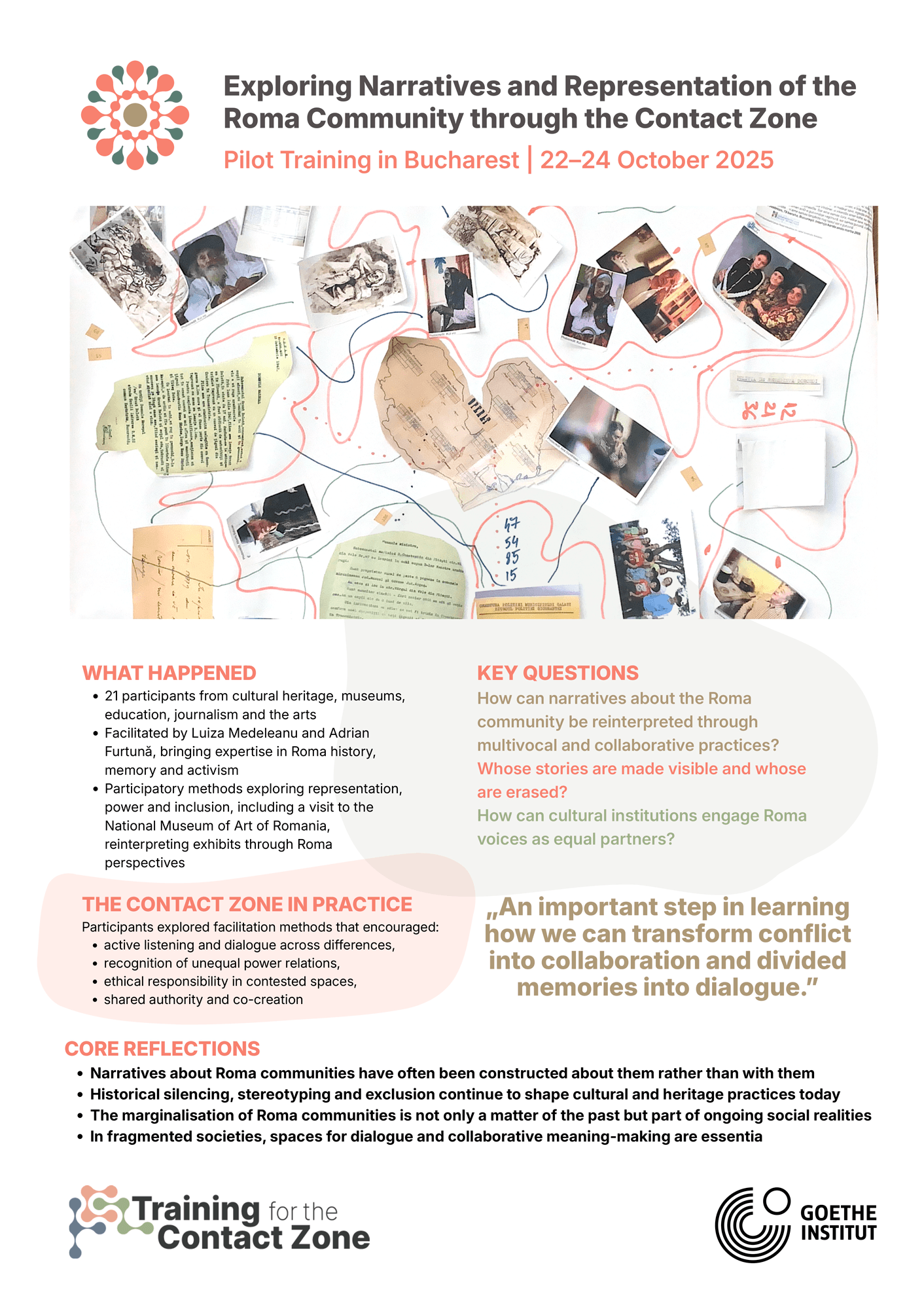

The Goethe-Institut Bucharest organised the second pilot edition of the Training for the Contact Zone, which took place from 22 to 24 October 2025 at the Goethe-Institut Bucharest. The course was delivered by Luiza-Maria Medeleanu (Roma Education Fund) and Adrian Furtună (Romano Kher National Centre for Roma Culture).
A special focus was placed on Roma history and memory, exploring how narratives about this community have been historically constructed and represented, and how they can be reinterpreted today through multivocal and collaborative practices. Goethe-Institut Bucharest is also connected to the Roma community through the European NARIDV project. Through initiatives such as workshops and film screenings, and through collaboration with activists such as Alina Șerban in Romania, Nardi Ahmetović in Montenegro, and organisations such as ARCA in Ukraine, the institute promotes Roma culture, challenges stereotypes, and highlights lived experiences. In this way, the Goethe-Institut acts not only as a cultural institution with longstanding expertise in intercultural dialogue, but also as a committed partner engaging with Roma voices as equal partners, foregrounding co-creation, representation, and ethical cultural work.
Participants were invited directly through the local network of partner institutions, including museums, memorial sites, archives, libraries, and sociocultural centres. The training was designed for professionals working in cultural heritage, education, and culture, as well as for those actively engaged in heritage-preserving communities. It offered participants the opportunity to develop skills in intercultural mediation, critical reflection on memory, and the creation of more inclusive spaces.
An online preparatory phase was organised before the intensive course. The theoretical framework and training structure were presented via Moodle, introducing participants to the key concepts of the programme. Participants also presented their professional backgrounds and motivations for joining the training.
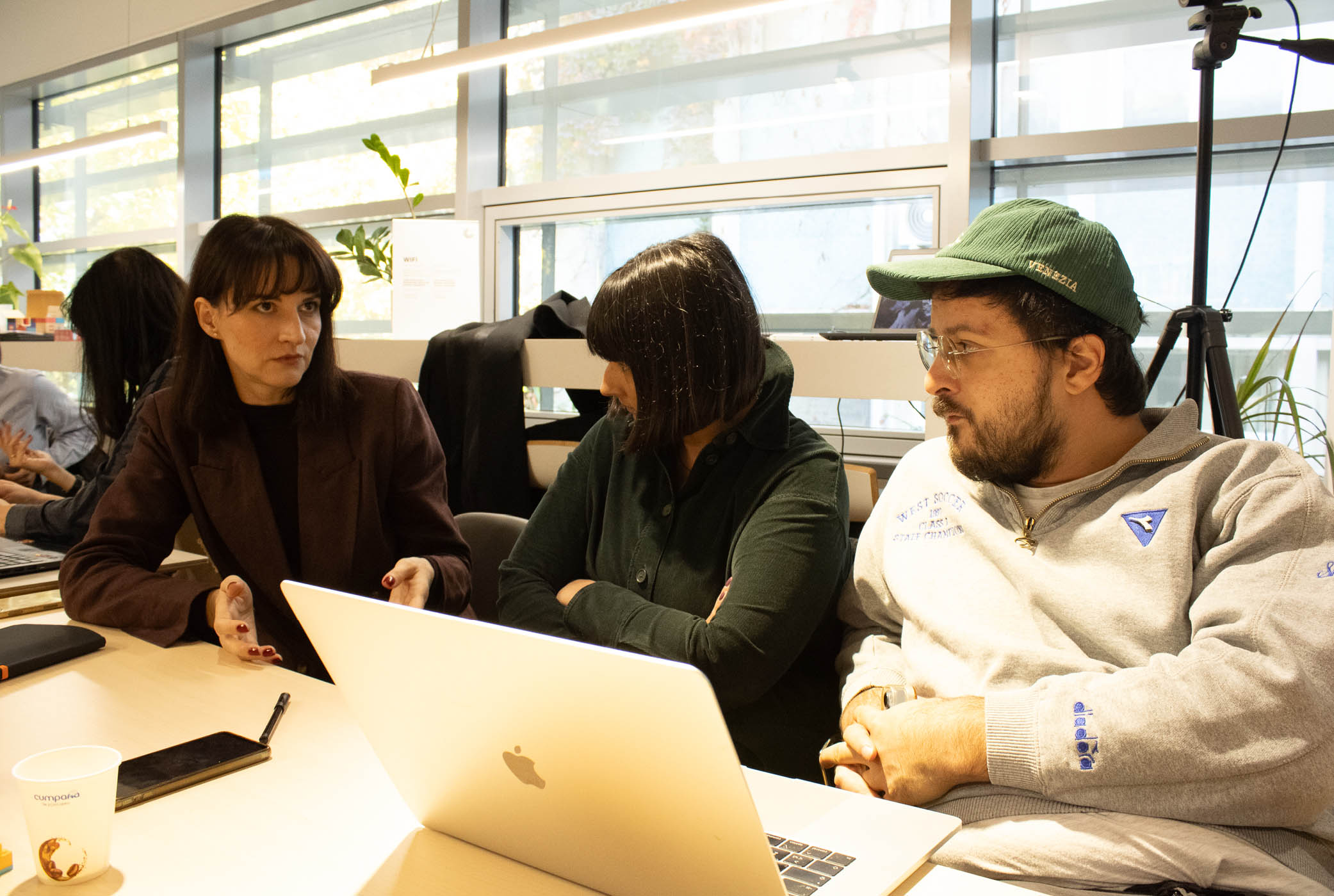
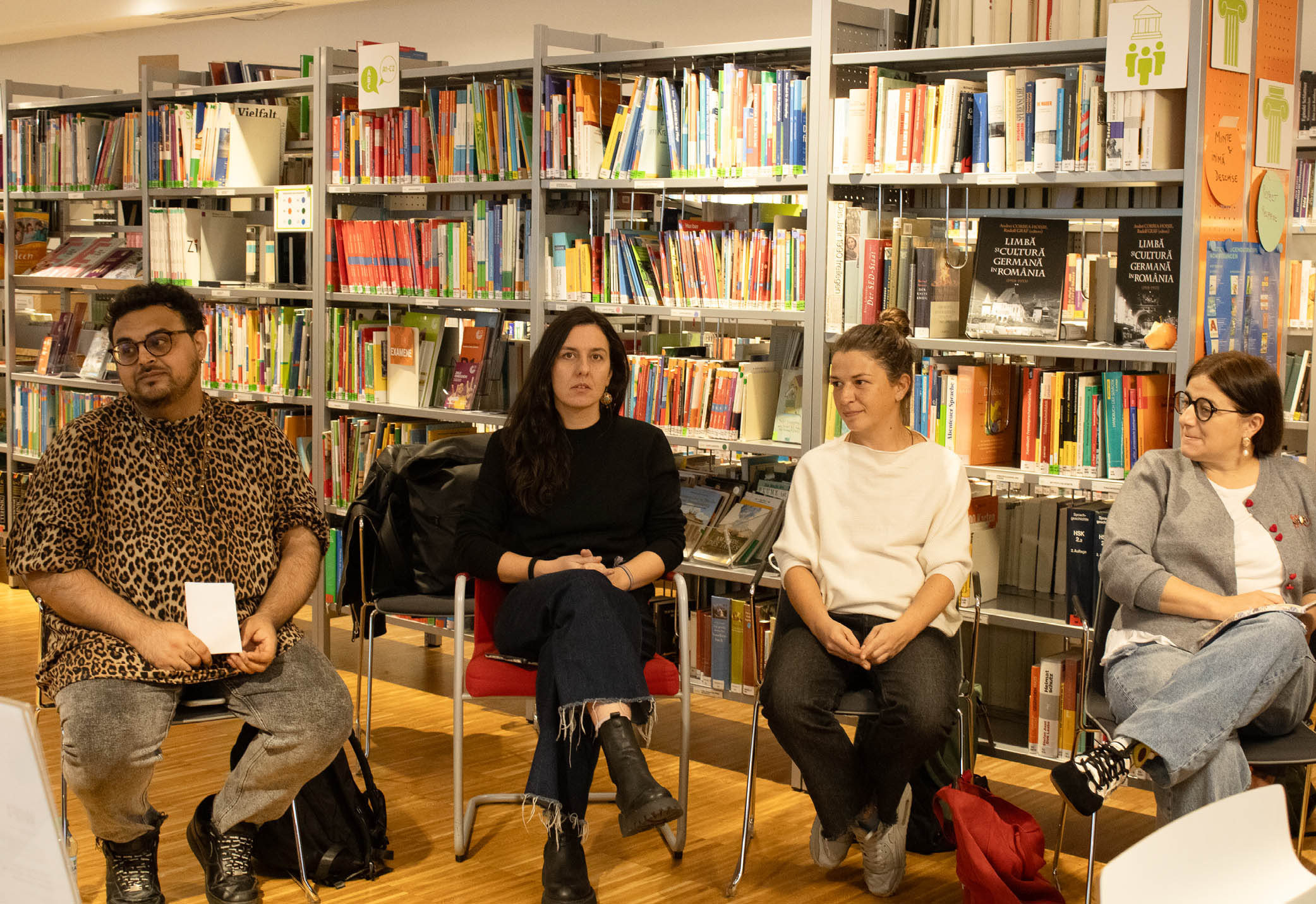
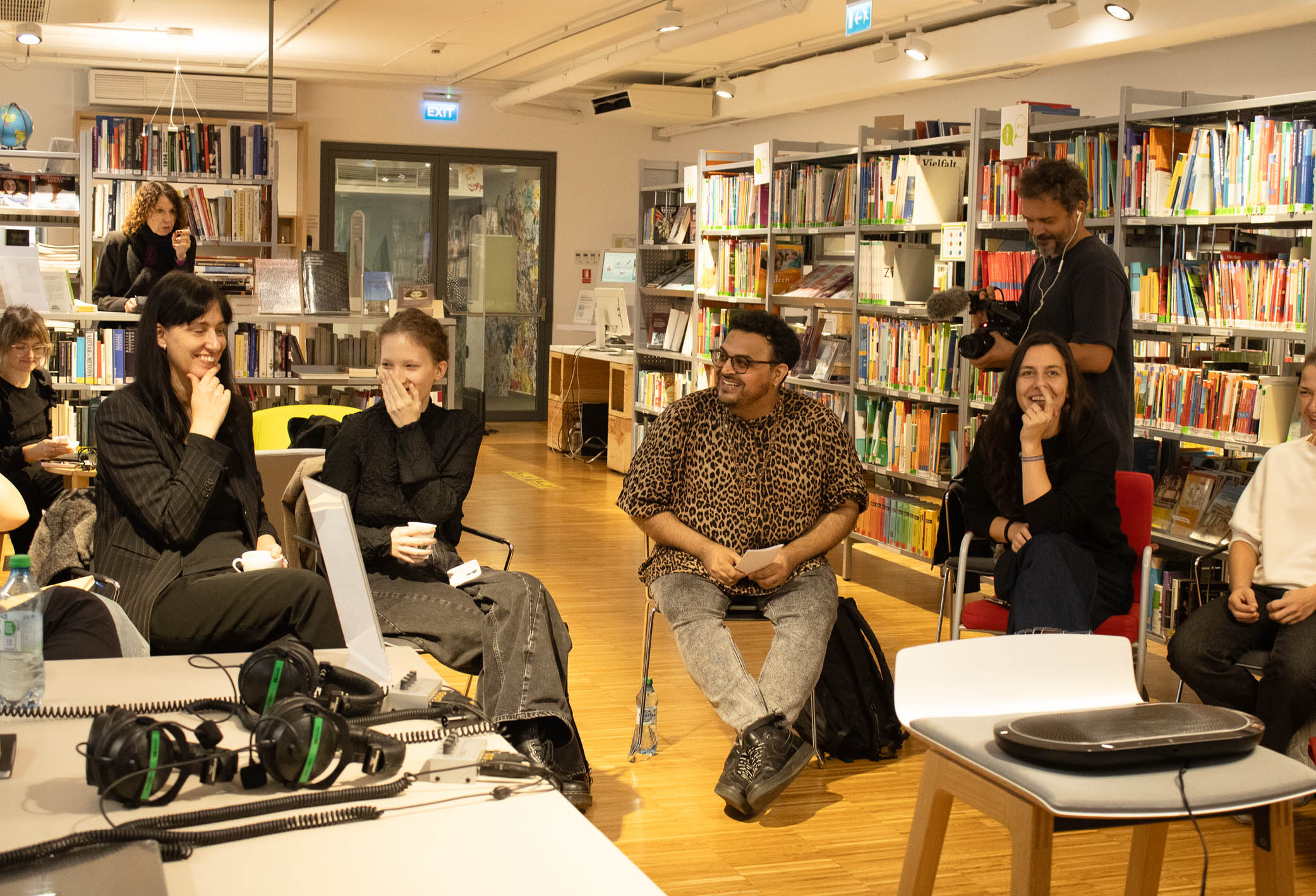
During the three-day programme, participants engaged with facilitation methods that encouraged active listening, recognition of diversity, and ethical responsibility in tense and contested spaces.
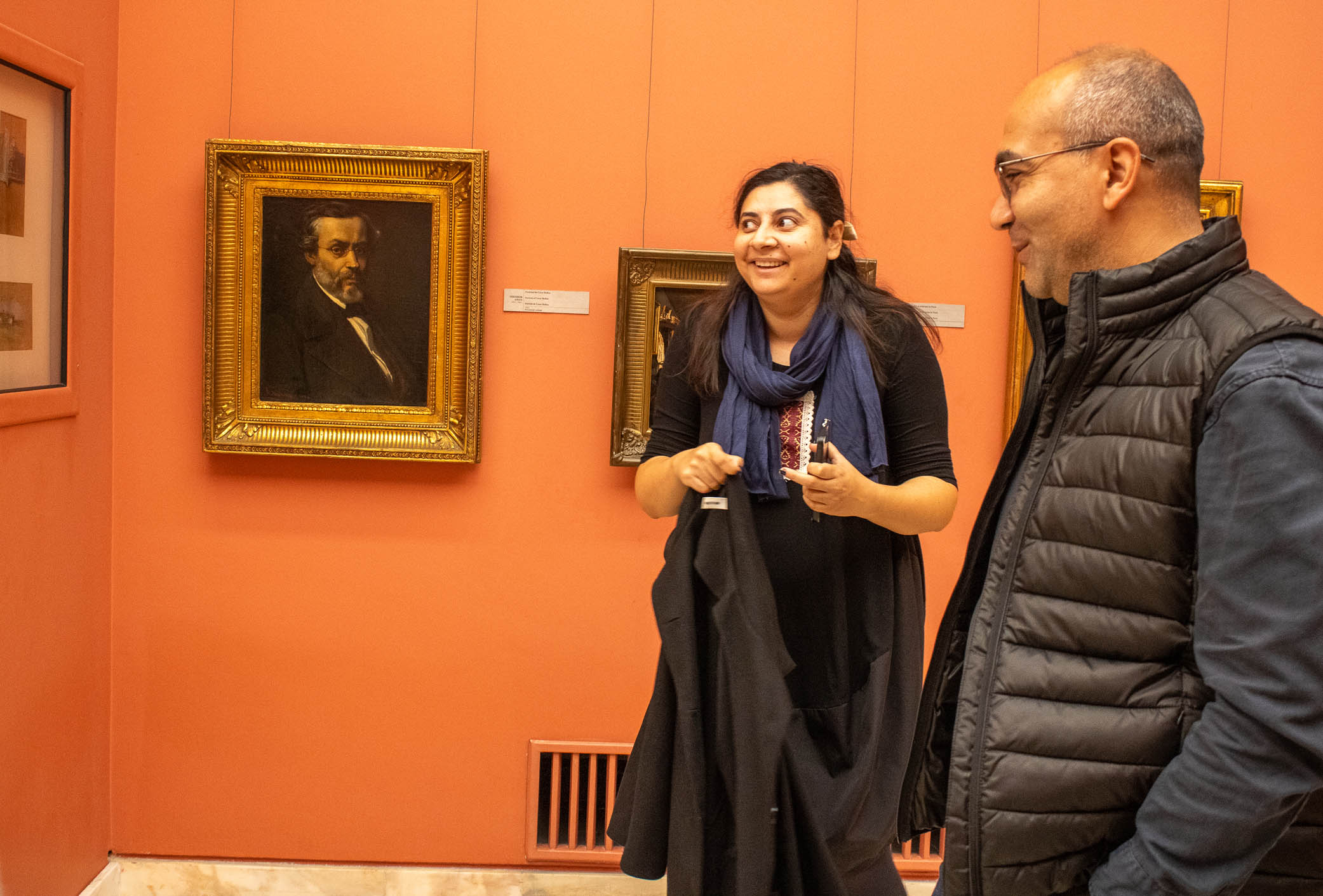
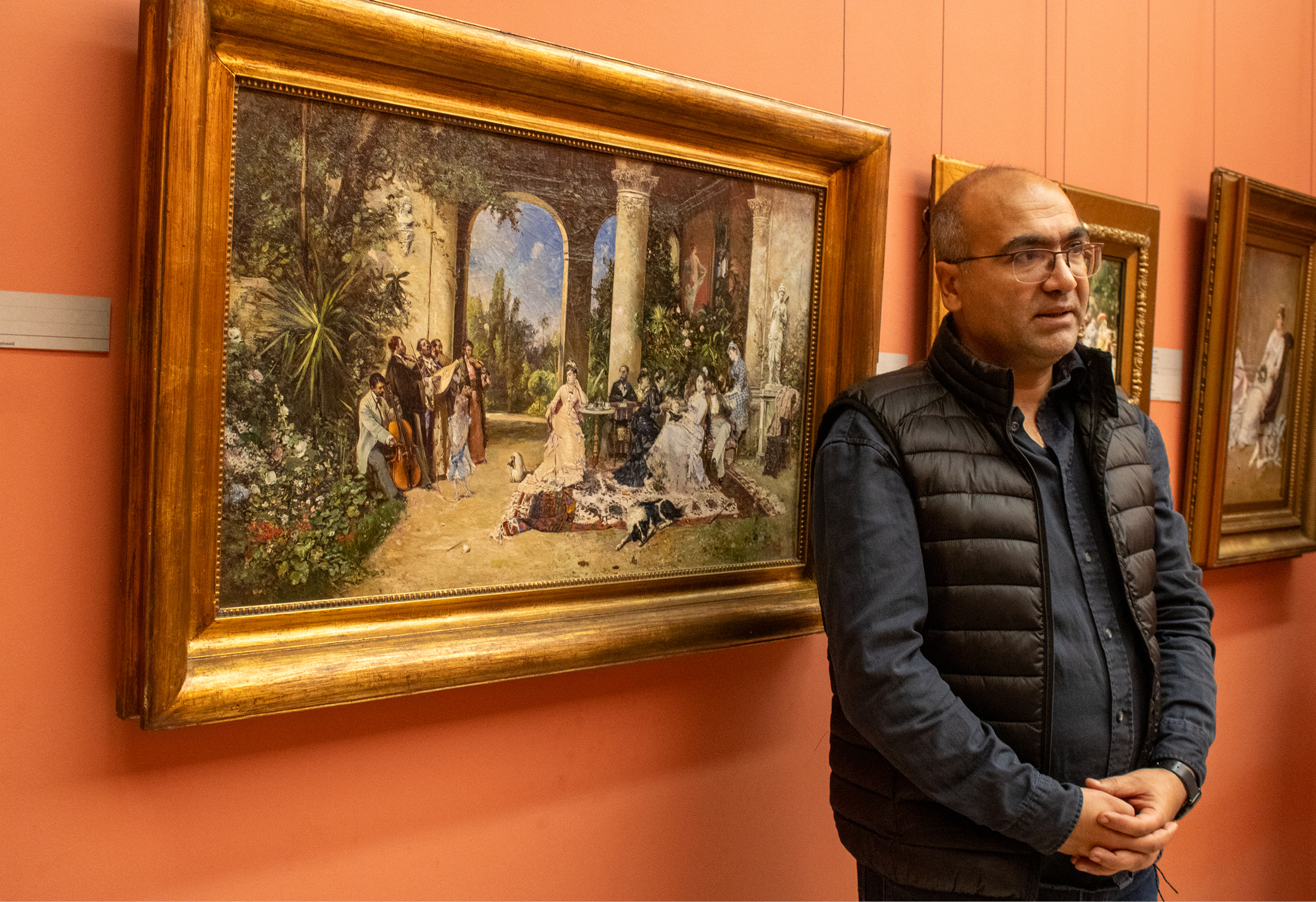
As part of the programme, a visit to the National Museum of Art was organised, where Adrian Furtună contextualised the exhibits through the lens of Roma history.
The exchange continued beyond the formal training sessions. Invited by Delia Popa, curator at the National Museum of Art, Adrian Furtună and Luiza Medeleanu contributed to discussions on how the museum’s current exhibition could better represent the history of the Roma community. In this context, a text written by Adrian Nicolae Furtună and Luiza Medeleanu was published as part of the exhibition.
Logistically, a conference room for almost 25 participants was prepared, with lunch and refreshments provided during breaks. Simultaneous English translation was arranged for international participants. Andrei Dudea documented the three-day course and conducted interviews with participants; this material was later used for the pilot training video presentation.
Participants completed evaluation forms after the training, followed by a debriefing discussion that generated valuable feedback. Five participants were additionally selected to take part in a group evaluation of the training outcomes.
Under the guiding idea of “an important step in learning how we can transform conflict into collaboration and divided memories into dialogue,” the course explored the concept of the Contact Zone in the Romanian context, particularly regarding the representation of Roma history in Romania.
The framework proposed by the trainers was based on the curriculum developed by the international Training for the Contact Zone consortium. A Contact Zone is understood as a facilitated space in which participants encounter diverse and often conflicting perspectives that are intentionally expressed and negotiated.
Training for the Contact Zone is co-funded by the European Union through the Erasmus+ Adult Education programme.