
Core concept
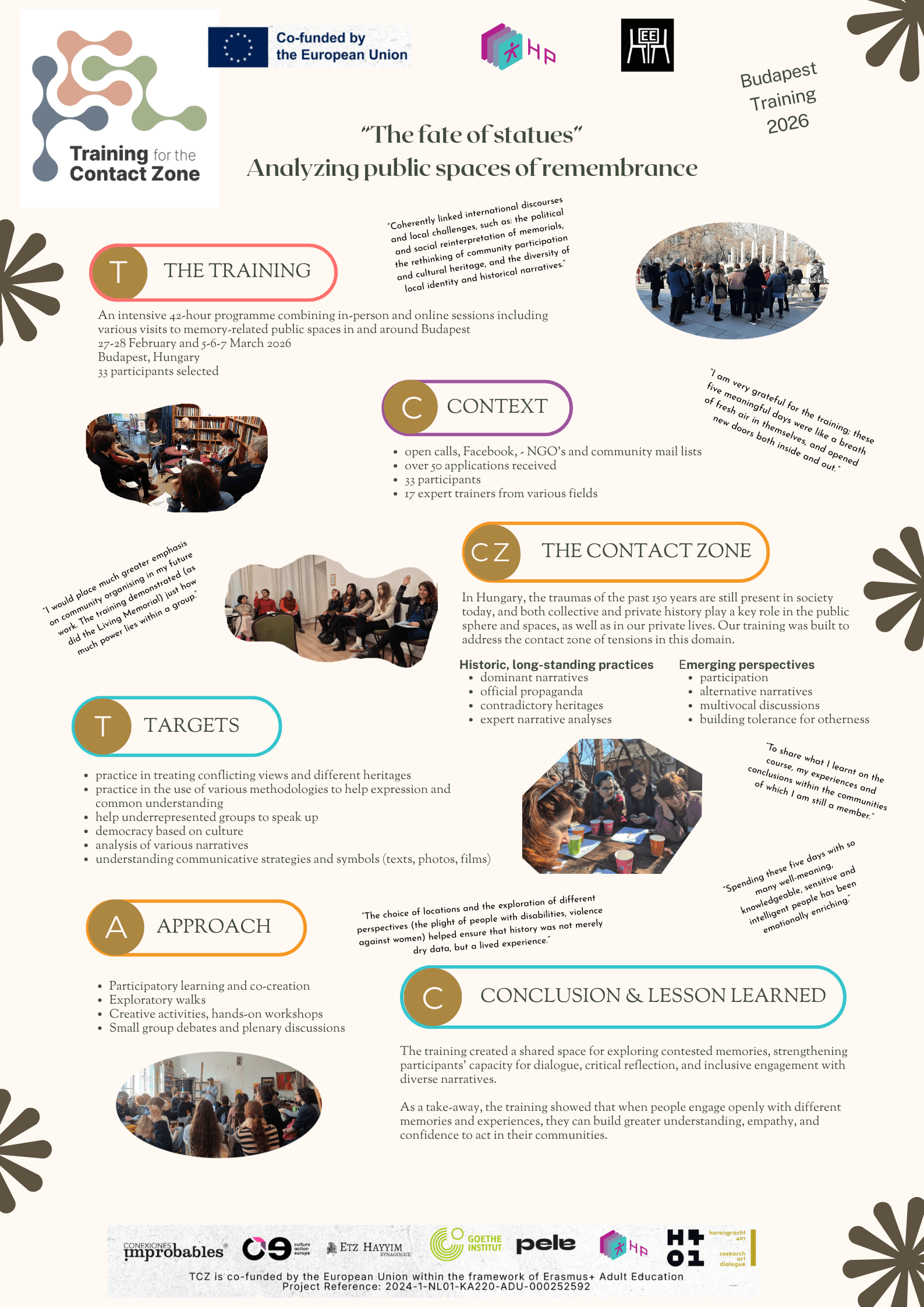
The Training for the Contact Zone (TCZ) in Budapest was one of the trainings developed in the framework of an Erasmus+ project, financed by the European Union. The main aim of the project is to elaboratae a training concept and related material for adult learning in the framework of Life Long Learning to train cultural, social and educational actors, mediators to help communication and understanding in occasions where conflicting heritages meet. This programme continues the work and builds on the results of a previous Eu programme: Heritage Contact Zone where the concept of the Contact Zone was defined and described.
The TCZ project is designed as a train-the-trainers programme and focused on how to facilitate multi-vocal dialogue in the context of remembrance, heritage, multiple identities, and public and private memories. In the Budapest programme, the main topic of the training was the analysis of existing public monuments, museums and other spaces of remembrance, which then served as triggers for discussions in the group of participants. The analyses and debates were introduced and facilitated by various activities and worksheets with the aim to let various perspectives and narratives enter the discussion and the participants find ways to handle tensions and find arrangement to conflicts. The programme encouraged the participants to open discussions, where they could critically explore all the elements of a Contact Zone, deal with problems of inequality, exclusion, power relations, social disadvantage, etc.
The Budapest training was specially designed around public spaces of remembrance, because in the special Hungarian context, these places and objects are present in the actual public debates and are closely connected to unresolved problems and conflicts in the society: namely the numerous trauma of the 20th century, and the responsibility of the state and the population in them, the problem of national identity, exclusion, hatred, etc.
How it was implemented
Several months before the training meetings with various practitioners: experts, trainers and researchers were organised to (COP meetings) to ensure their participation and plan the structure of the training.
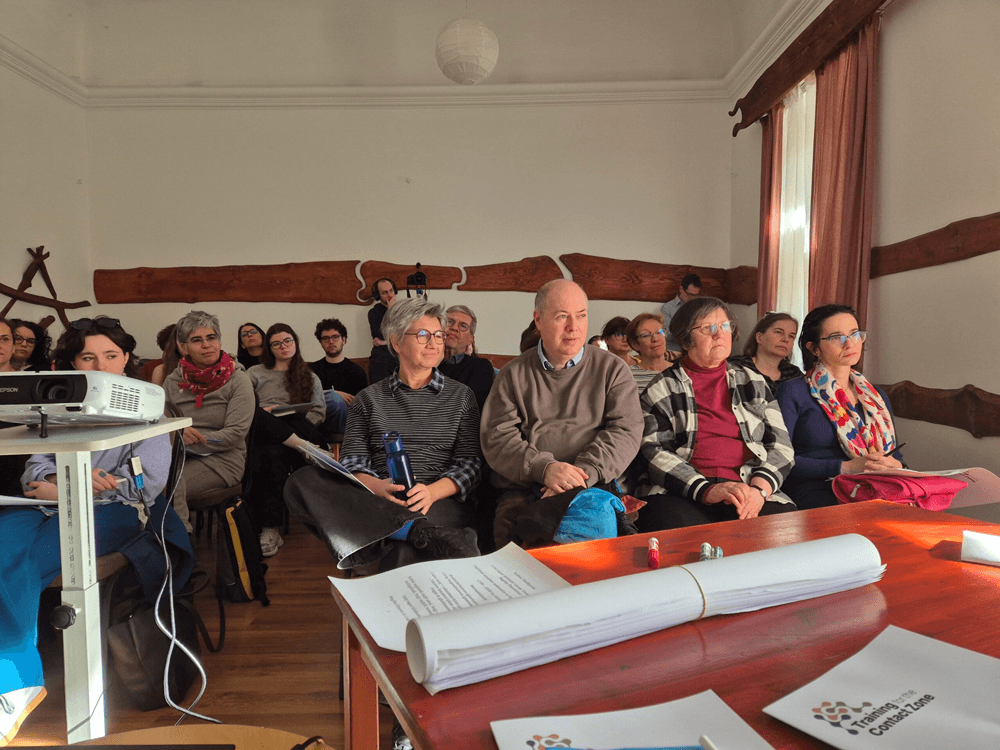
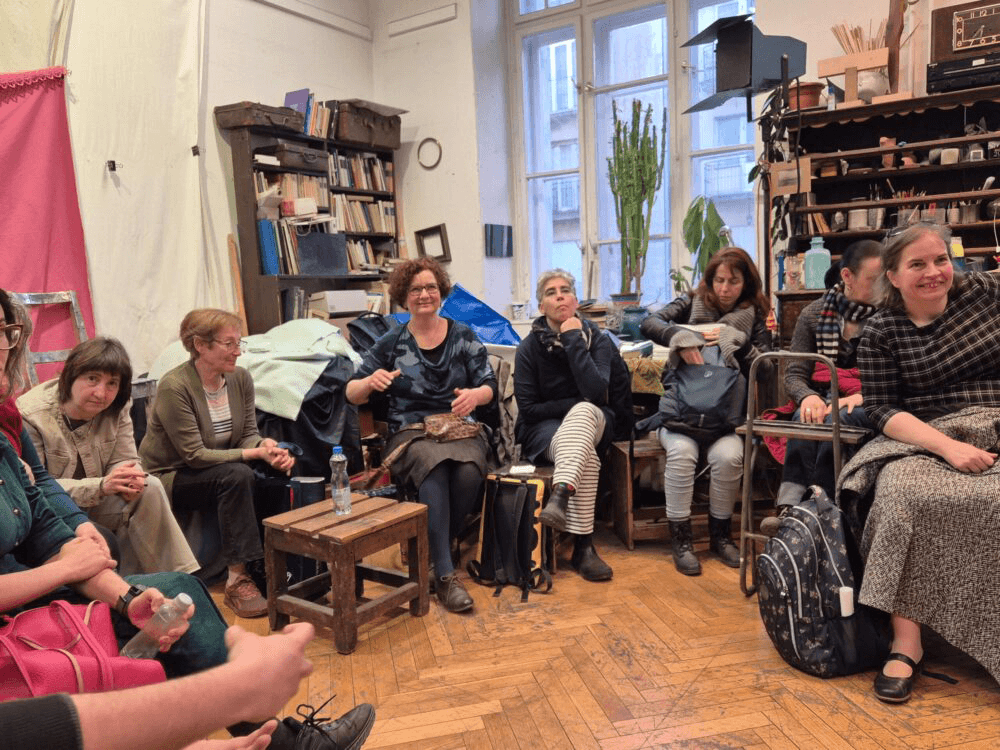
The training was successfully promoted on Facebook (The Living Memorial and Human Platform) through a 2-phase campaign. After a strong second call, we were thrilled to receive 50 applications, exceeding our initial target of 28. In the end, we welcomed a dynamic group of 33 participants, including artists, cultural workers, teachers, students, curators, researchers, and social workers, making the event a vibrant success. The group was very diverse in several respects (age, occupation) but worked very well together in a good atmosphere. The 5 days of common experience formed an engaged and conscious group, which expressed several times that they would like to continue to meet and act together.
Before the training, there was an online meeting where half of the future participants were able to participate. The team presented the programme, the trainers and the participants also presented themselves. During this meeting some concrete questions were discussed.
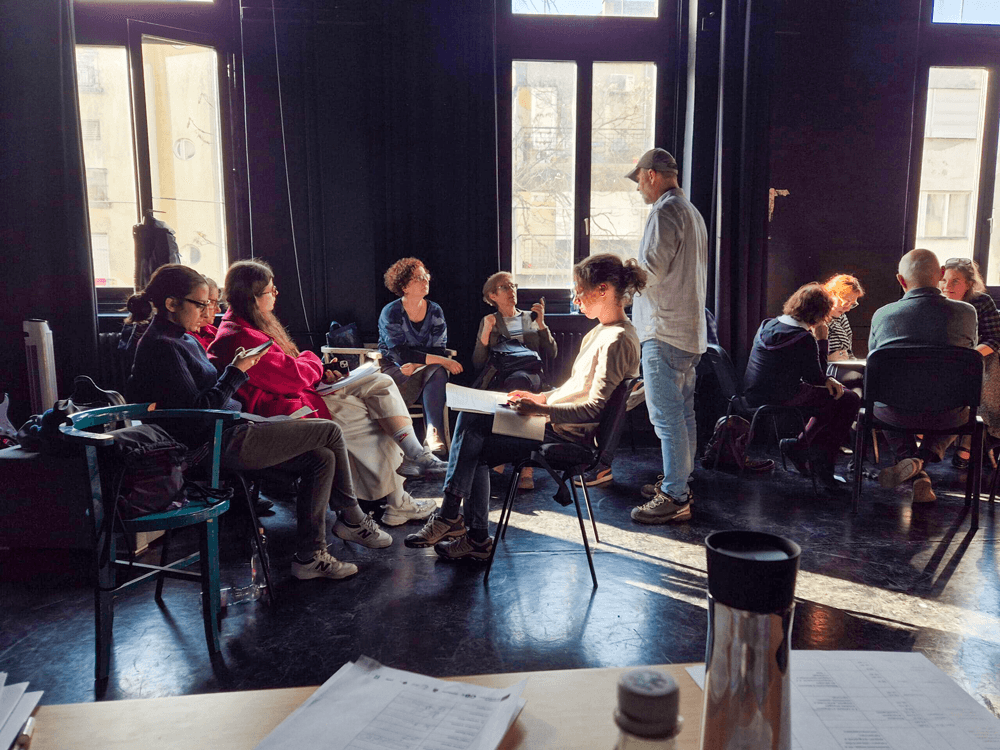
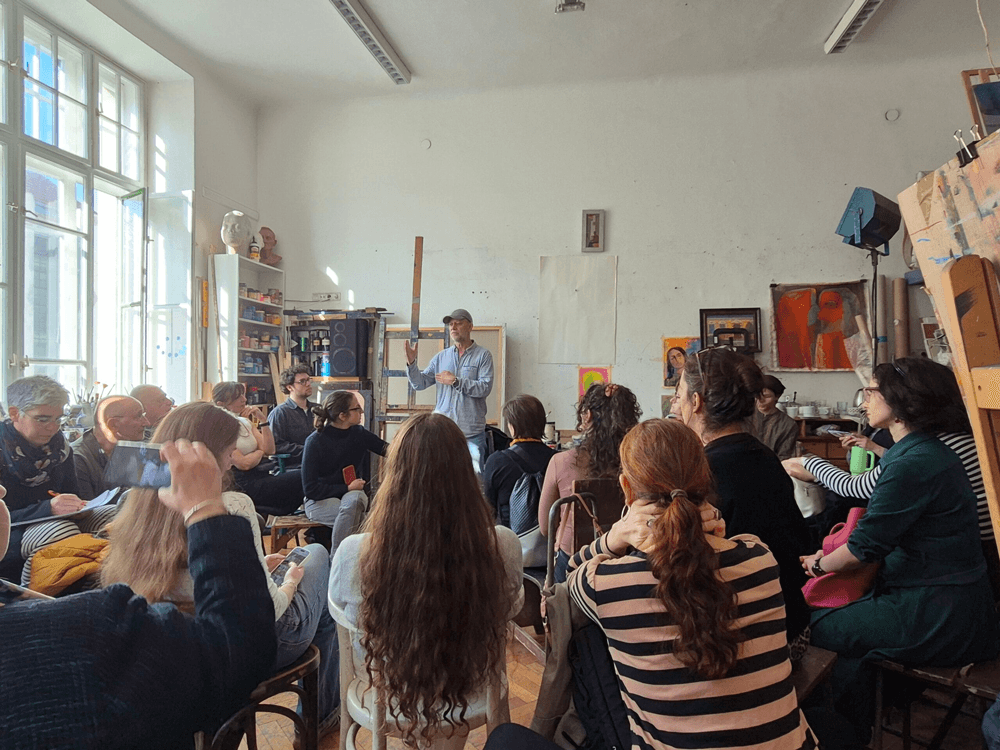
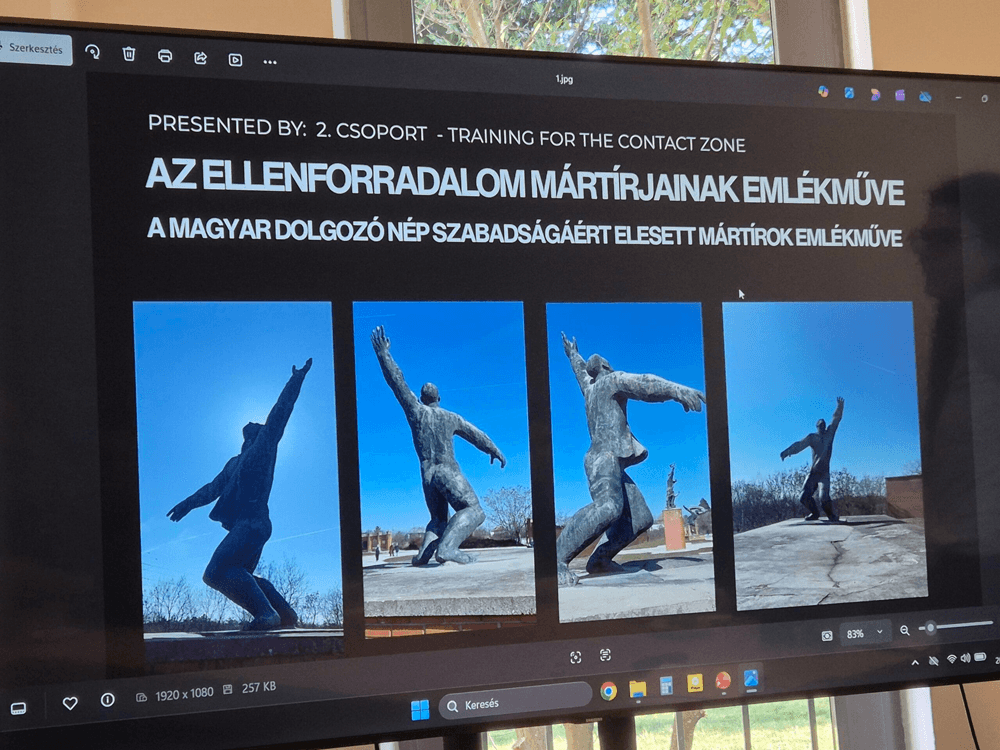
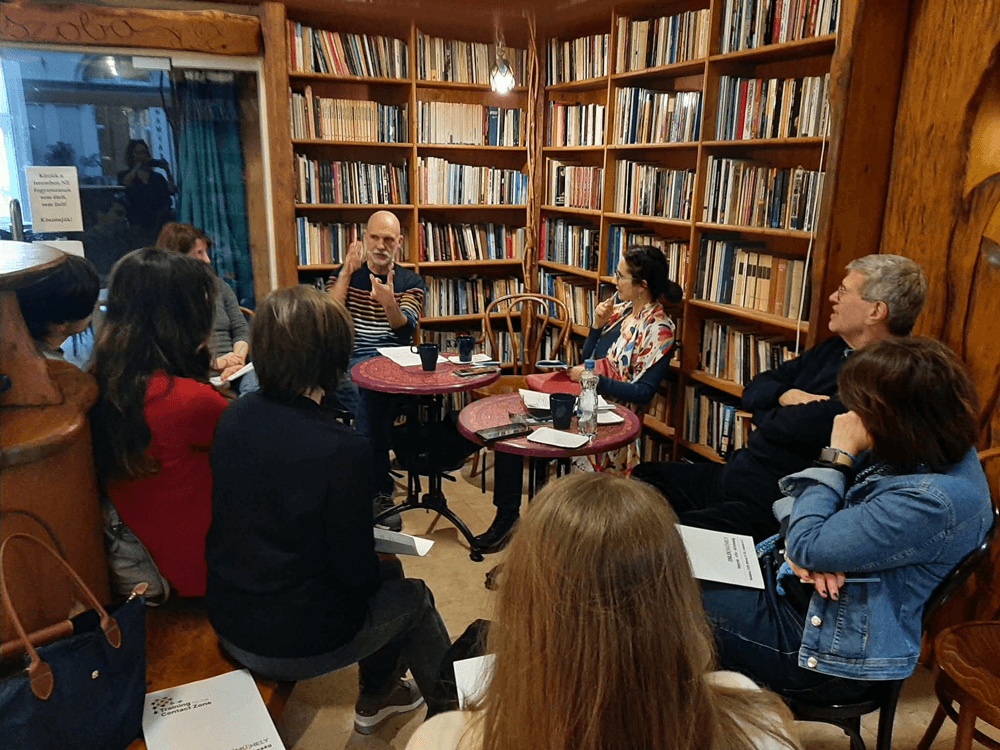
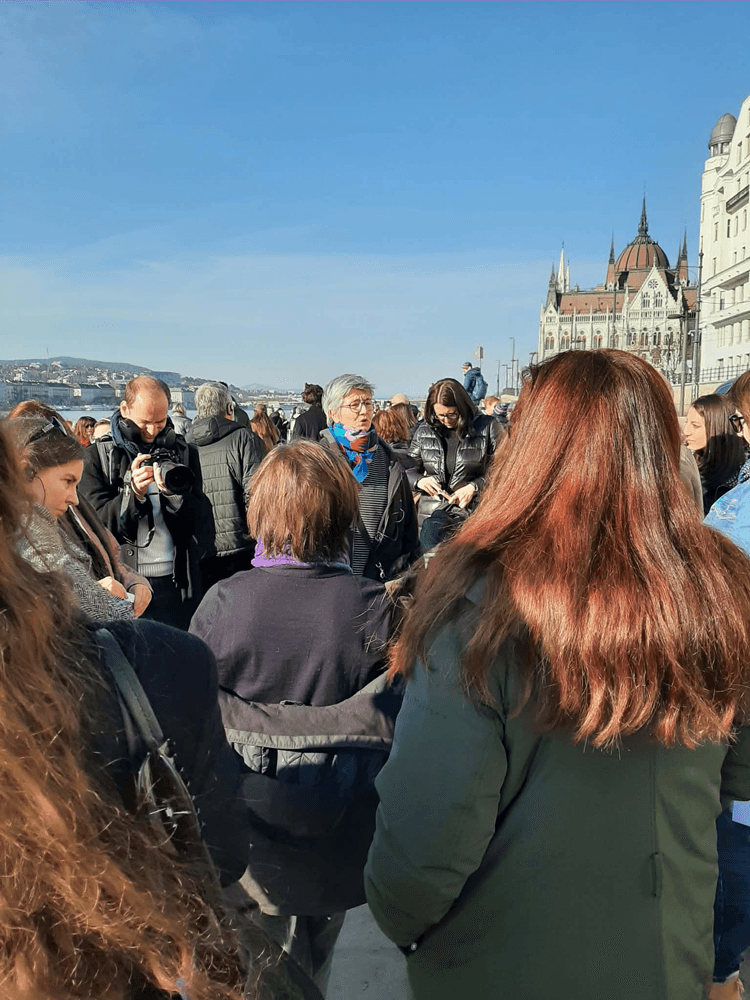
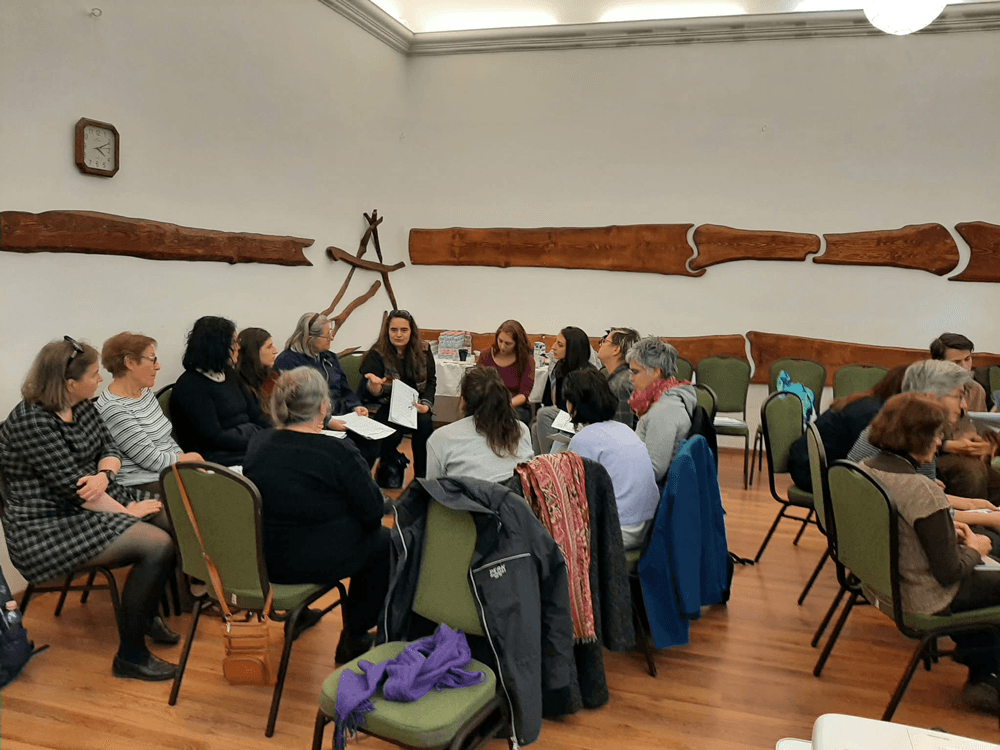
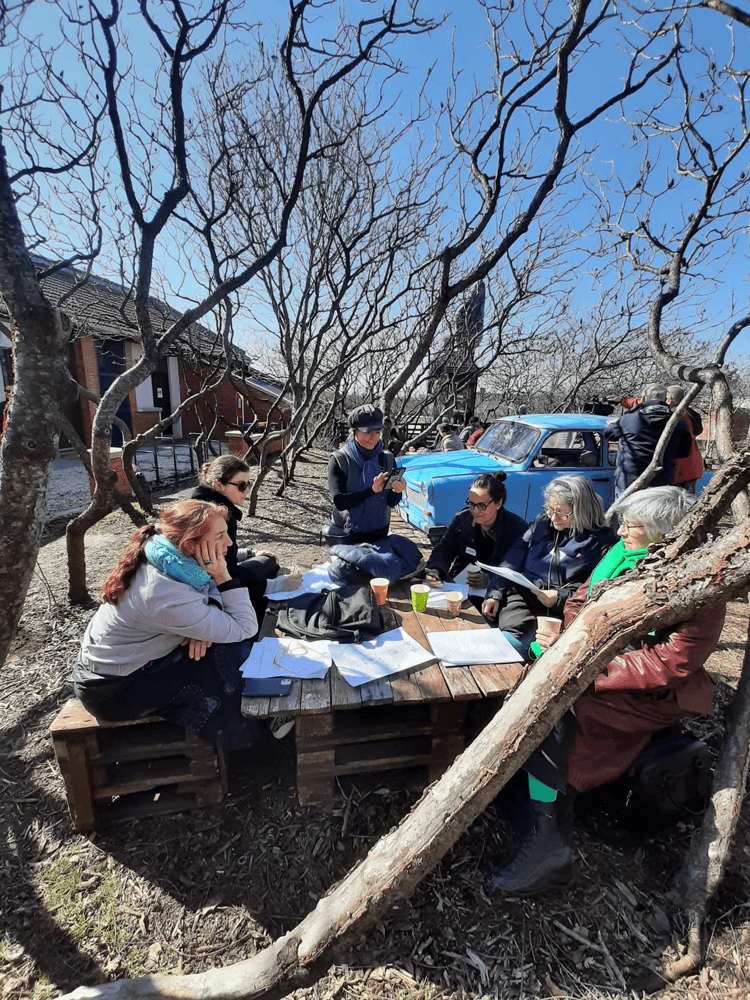
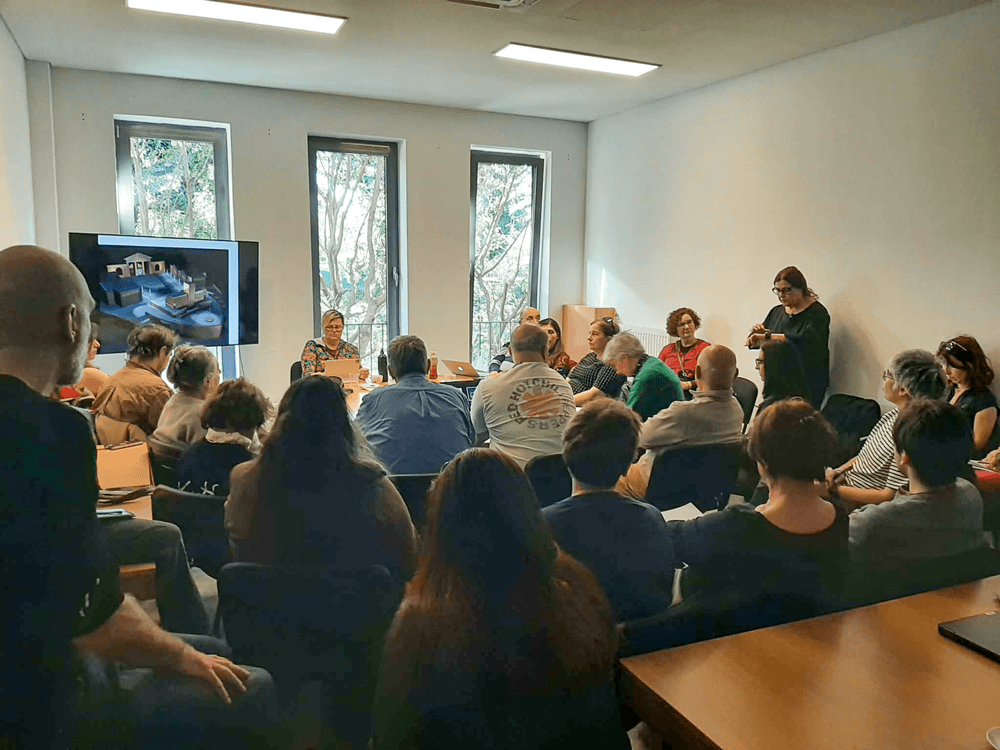
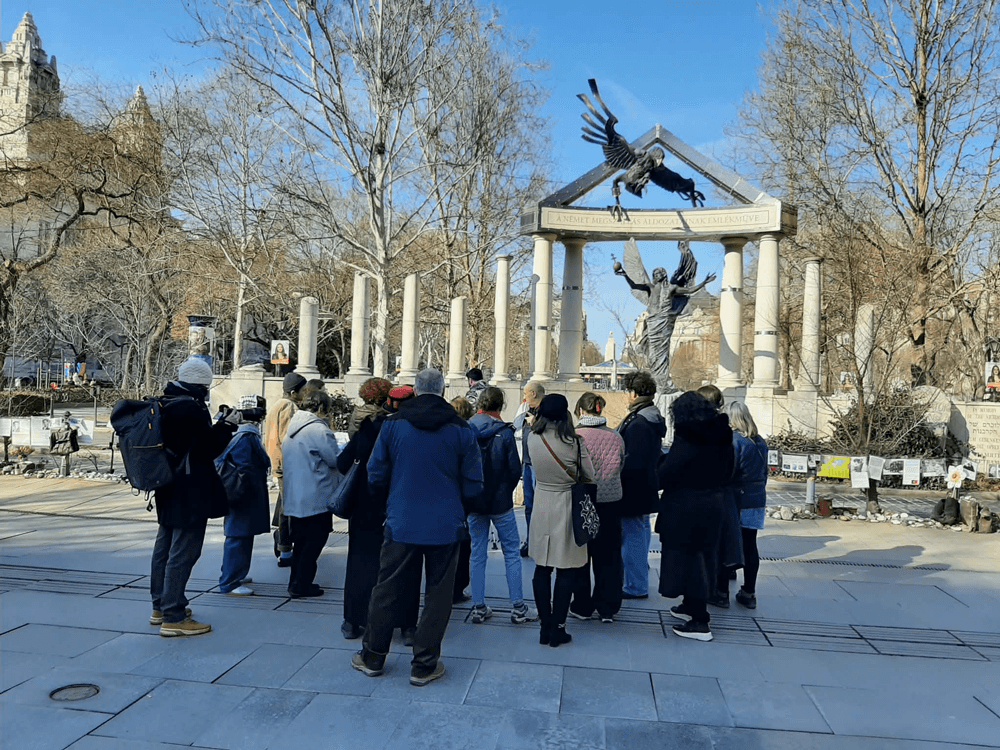
The training took place on 27-28 February and 5-6-7 March, at several locations. Every day one or several visits were included, to places of remembrance that have contradicting judgments in the public opinion and which deal with conflicting heritages (identity, social exclusion, mass crime, intensive false propaganda, etc.) After the visits, the participants and trainers analysed their experiences, worked on various activities and the day ended by a plenary discussion and evaluation. Several venues were used for these encounters: the Magnet House, the Klébersberg House of Culture and the Jurányi Incubator House with an artist’s workshop. The main topic included responsibility of state and public in war and mass murder, the empowering of various social groups and minorities, official propaganda, statues and memorials in the service of public memory, artists’ role in remembrance work, how to treat historical narratives, etc. The corresponding activities were diverse, and all helped to examine various aspects of the tackled problem. Each training day lasted for 8 hours. The training included 14 trainers (historian, art historians. sociologists, community developers, artists, Roma activist, disabled activist, museum curators).
A few days after the training, a local radio station has invited the tram to one of its programmes which heals with questions of the city, its public spaces and memorial objects. One trainer and 2 participants participated int e radio programme.
One week after the training another online meeting was organised at the demand of the participants. They spoke about their feelings about the programme and explained that they wanted to continue the relationship. they proposed new meetings at Liberty Square and also online. Most of them were very happy and thankful that they were involved in the project.
Results
As the participants explained the training was intense but very interesting, they participated seriously, with interest and diligence. The trainers were also very interested and engaged, so some of them also participated on days which were not their expertise. They also enjoyed the good harmony and atmosphere of the training. The visits were followed by great interest and enabled the group to rethink societal problems and the negative experiences and memories of various groups of the Hungarian society.
The expert lectures presented the topics, the main problems, the functioning of the Contact Zone, and introduced the main categories and technical terms. The group works facilitated the treatment of the problems from various perspectives, fostered the discussion concerning the context, the power structure, the various grievances and the possible solutions or mitigations. The daily plenary discussions helped to synthesise the day’s achievements and gave possibility to each participant to express their feelings, criticism or ardour.
According to the plans, a questionnaire was sent out to the participants to evaluate their experience, the whole programme and its implementation. The evaluation sheets give evidence about the positive opinions of the participants. although not all of them see immediately how they will use their newly acquired knowledge in their everyday job, most qualified the whole training as successful and helpful. Participants appreciated the abundance of engaging activities and suggested allowing more time for exploration in future sessions.
The training, as it was its role in the project, was able to serve as a test for the applicability of the TCZ programme. More or less adaptation is needed because the curriculum must be adjusted to the local conditions, but our results show that the whole programme can successfully implemented and used for train-the-trainers programmes. For a larger reach, the whole programme should be translated into Hungarian.
(MH-S)