
Contact Zones in Practice
A Training Model for Cultural Democracy, Dialogue, and Structural Change
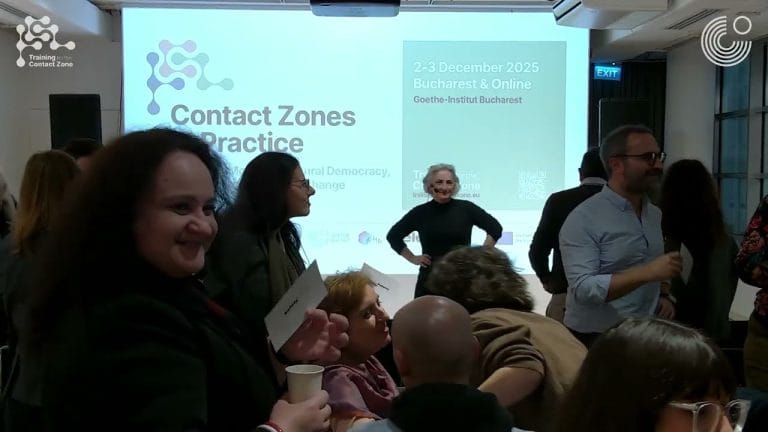
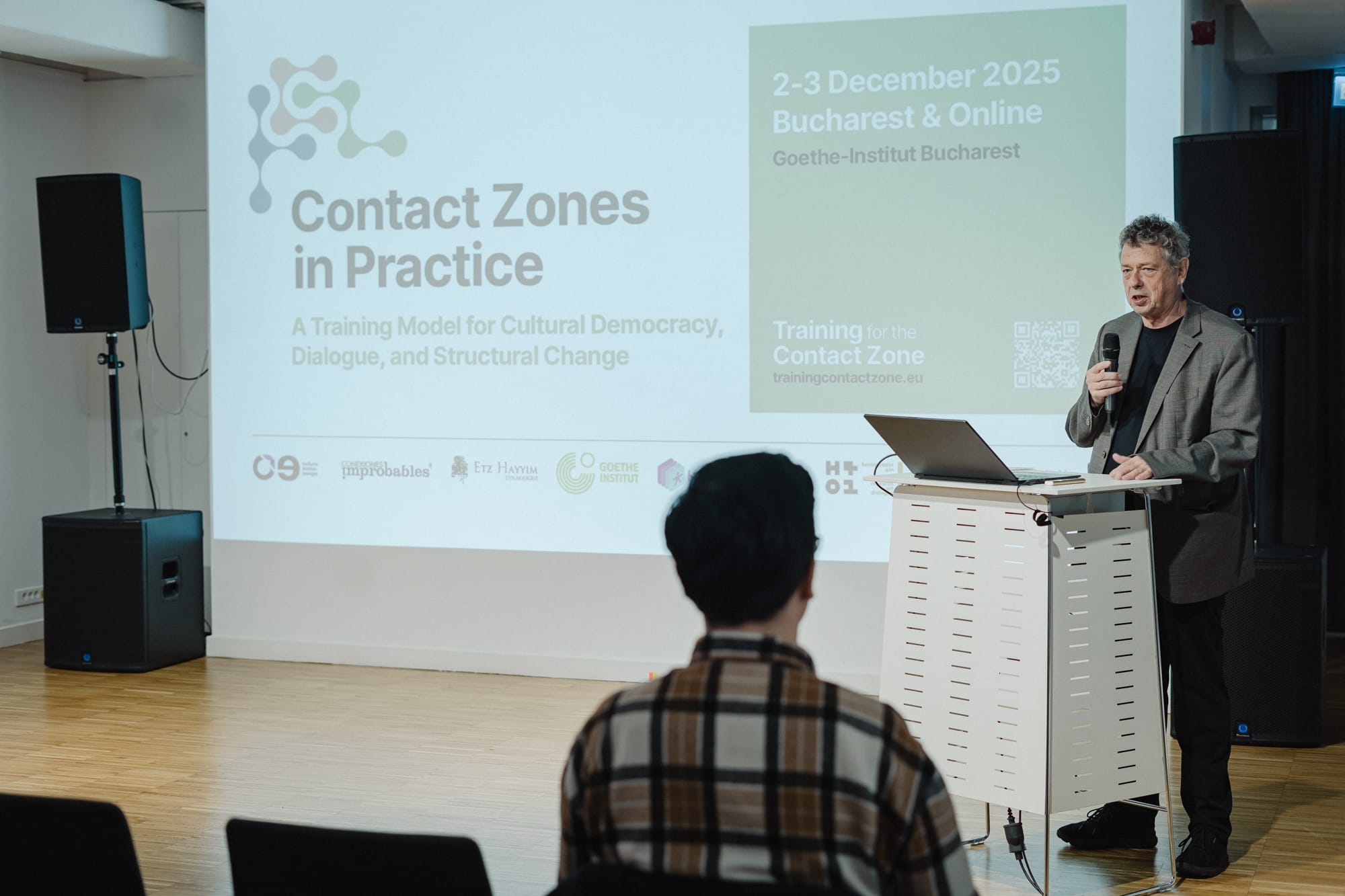
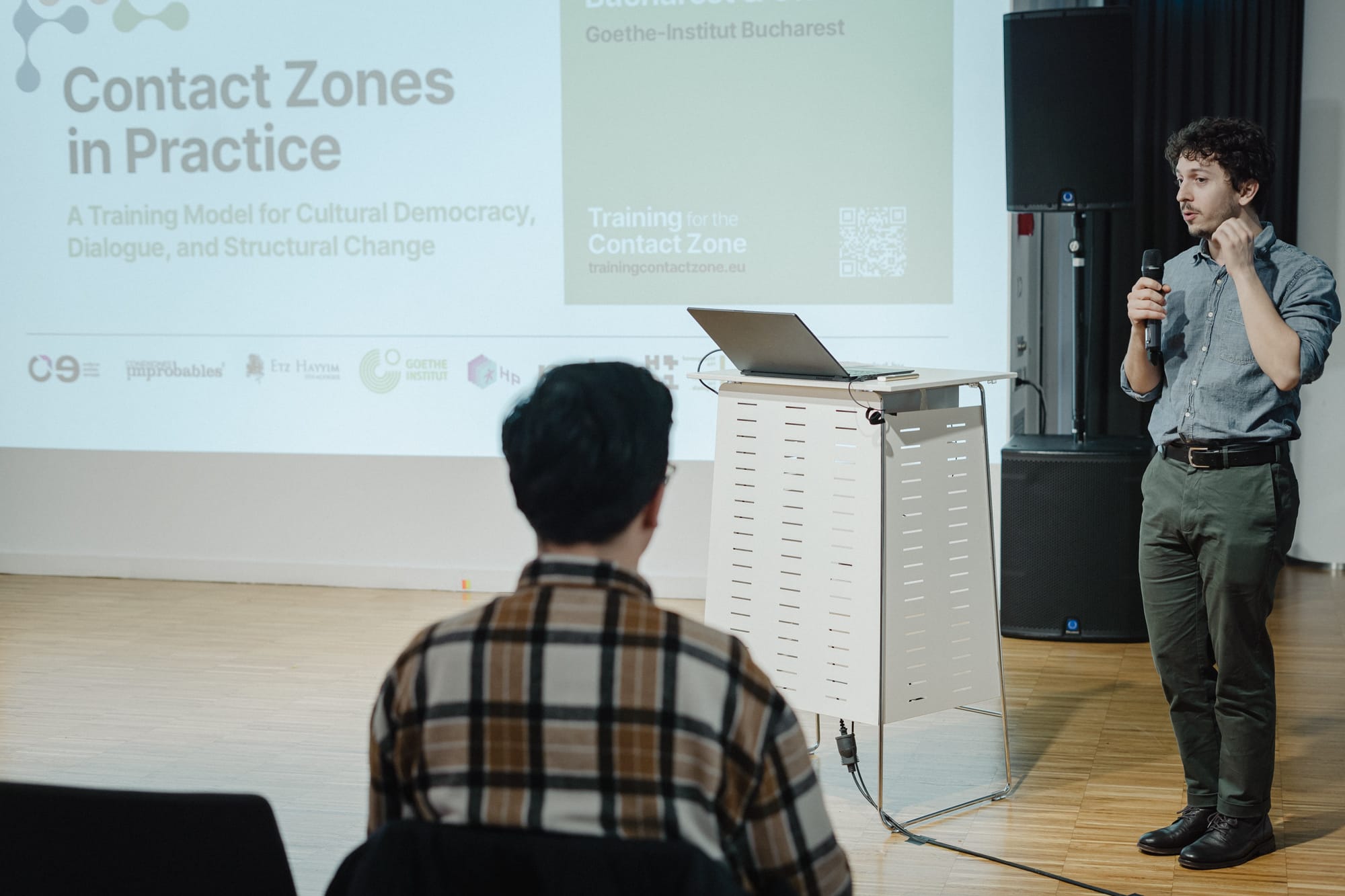
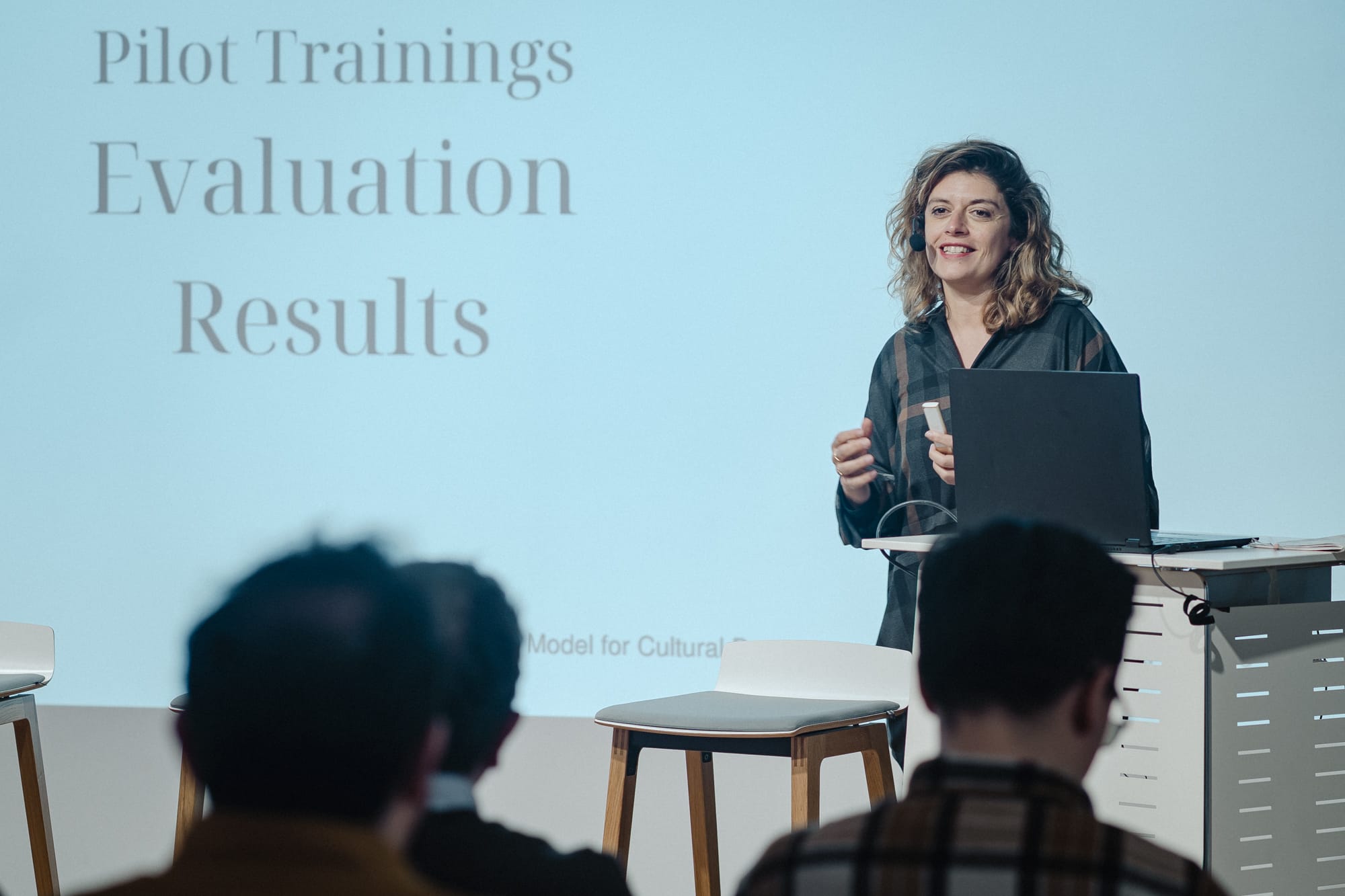
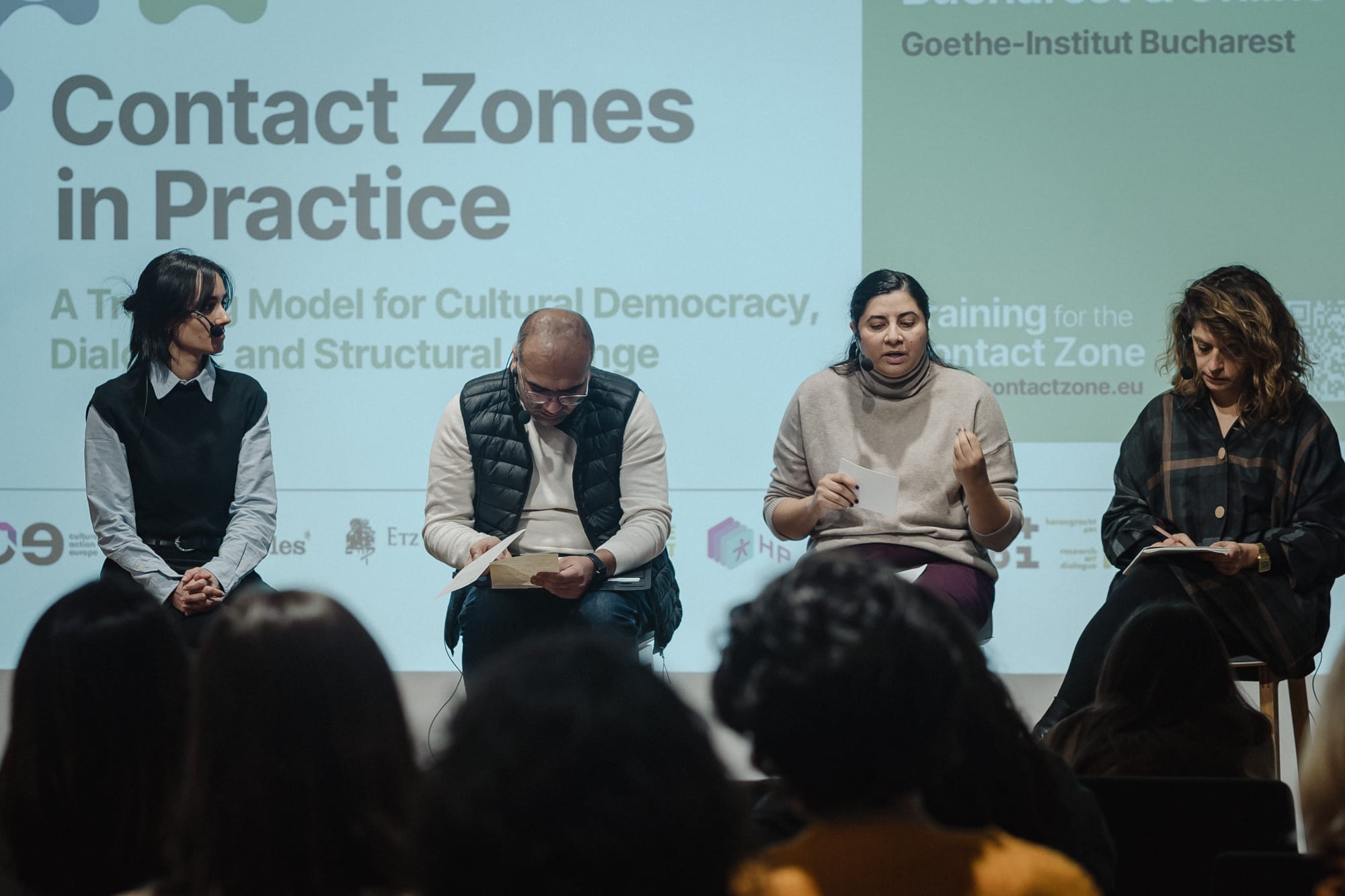
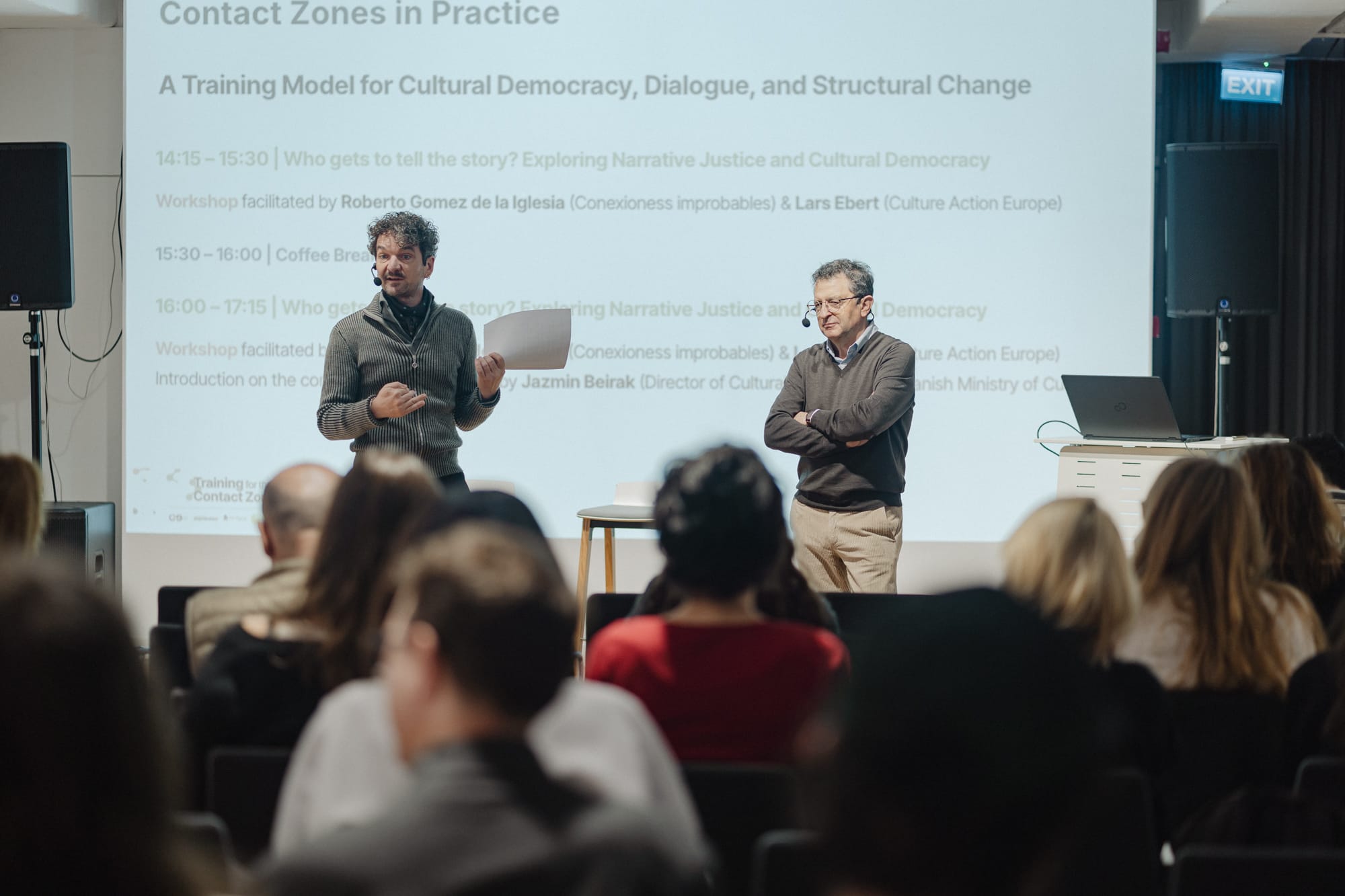
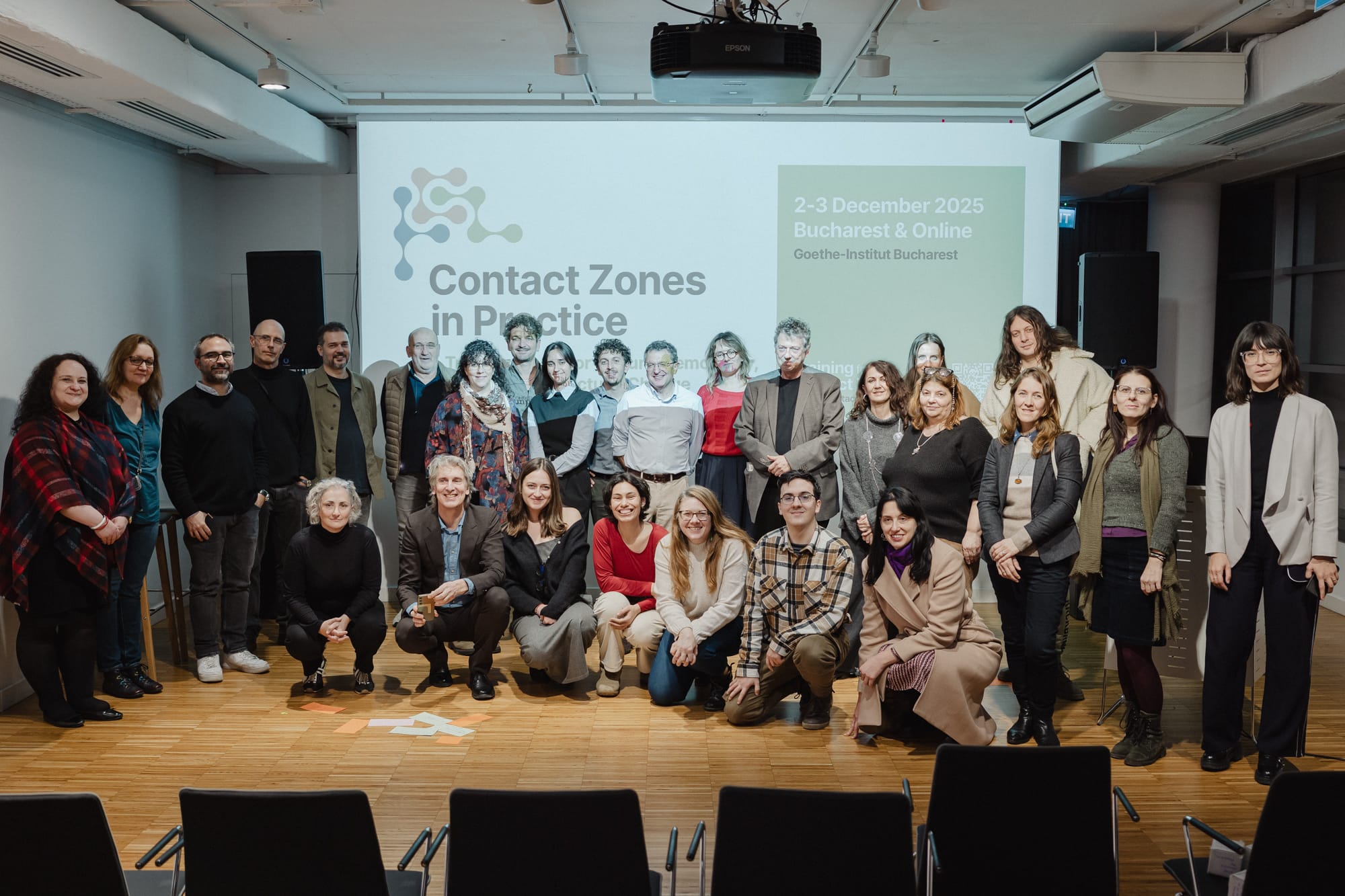
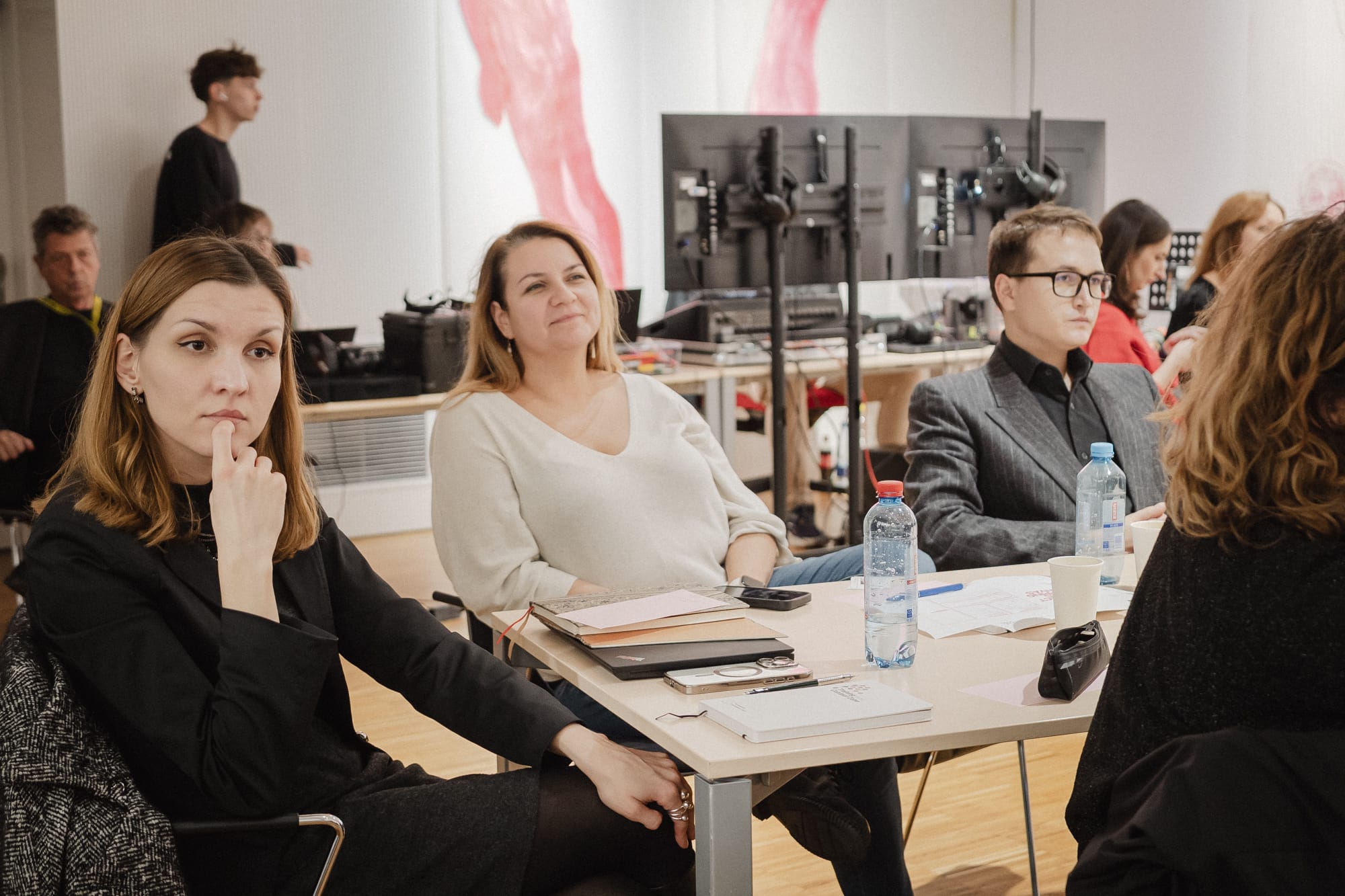
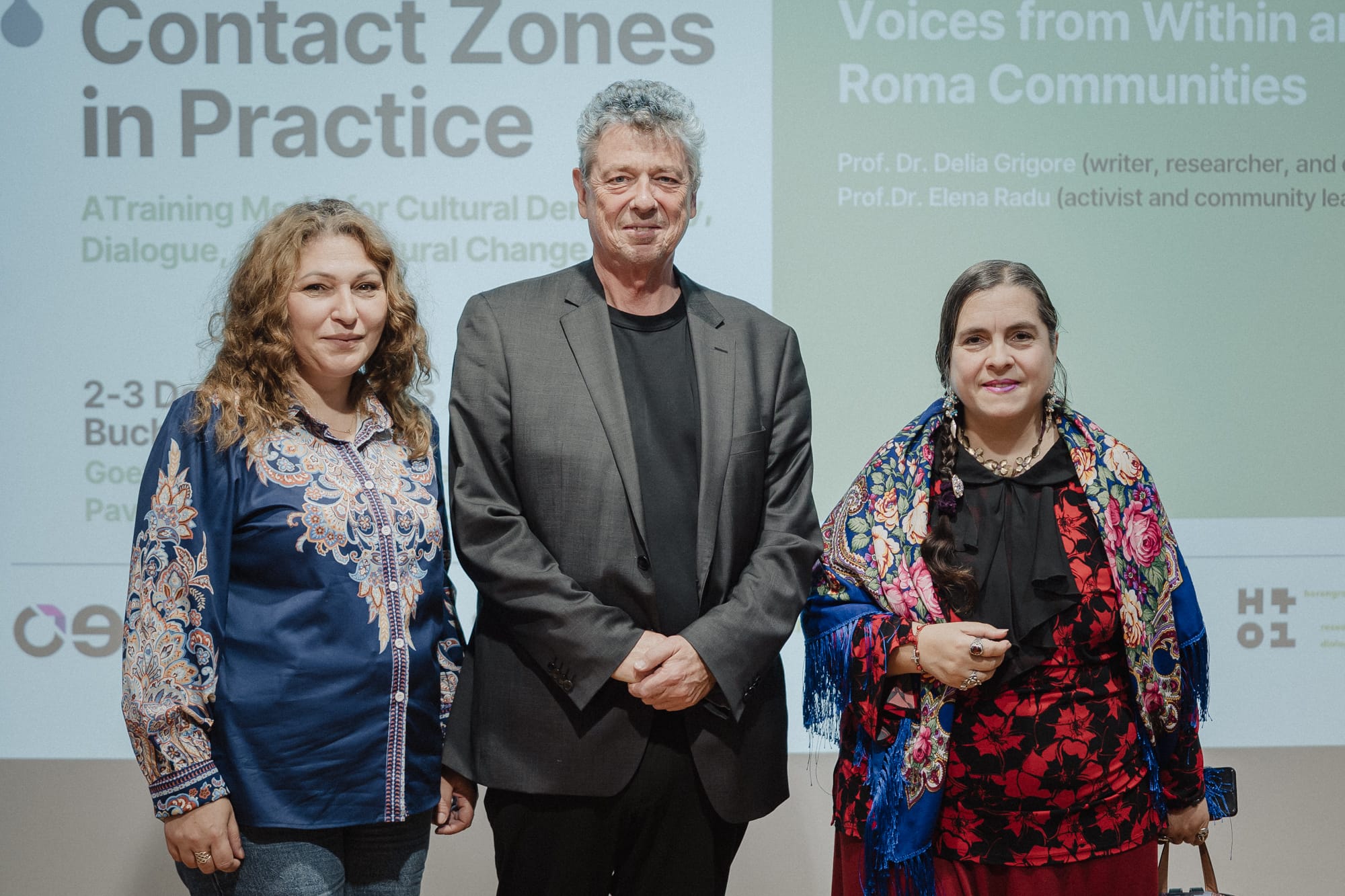
The conference “Contact Zones in Practice” took place on 2–3 December 2025 at the Goethe-Institut Bucharest (Calea Dorobanți 32).
Purpose of the conference
Across Europe, societies were facing major challenges, including increasing political polarisation, shrinking civic and cultural spaces, and growing distrust in democratic processes. In this context, cultural and heritage work—carried out by institutions, educators, artists, cultural practitioners and policymakers—played a vital role in shaping shared and liveable realities.
The conference explored a central question:
How could spaces be created that foster reflection, dialogue and collective agency, even in the face of conflicting perspectives or contested histories?
The Contact Zone Approach
The conference introduced the Contact Zone as a framework for navigating complexity.
A Contact Zone was understood as any physical, social or symbolic space where people with different experiences, identities and worldviews came together. These encounters were often challenging, but they also opened pathways to mutual understanding, shared agency, and collective meaning-making.
The Training for the Contact Zone (TCZ) project brought together partners from seven European countries and diverse institutional backgrounds to develop a practical curriculum for cultural practitioners. The approach equipped participants with tools for dialogue, mediation and inclusive participation in complex contexts.
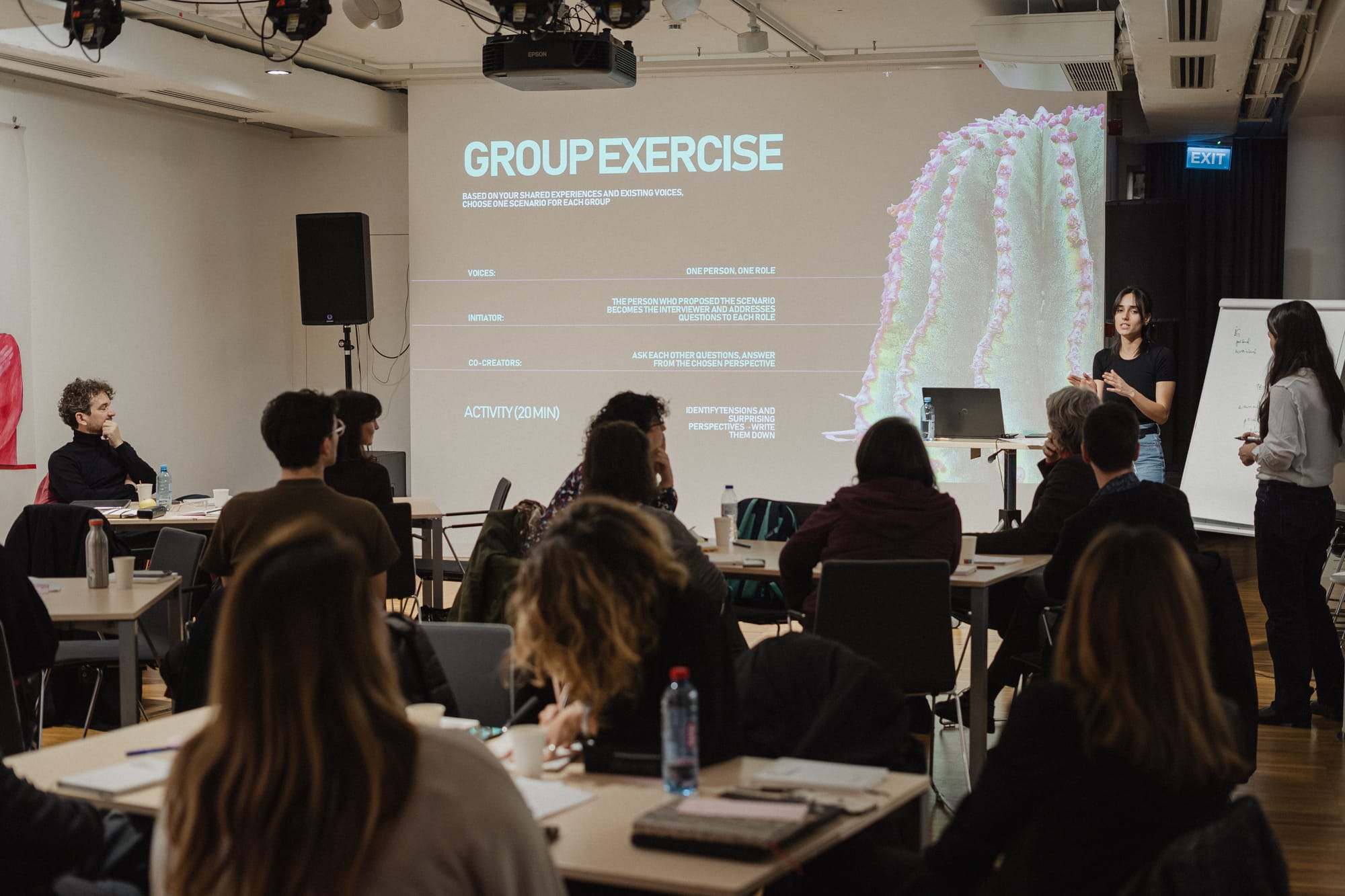
What happened during the conference
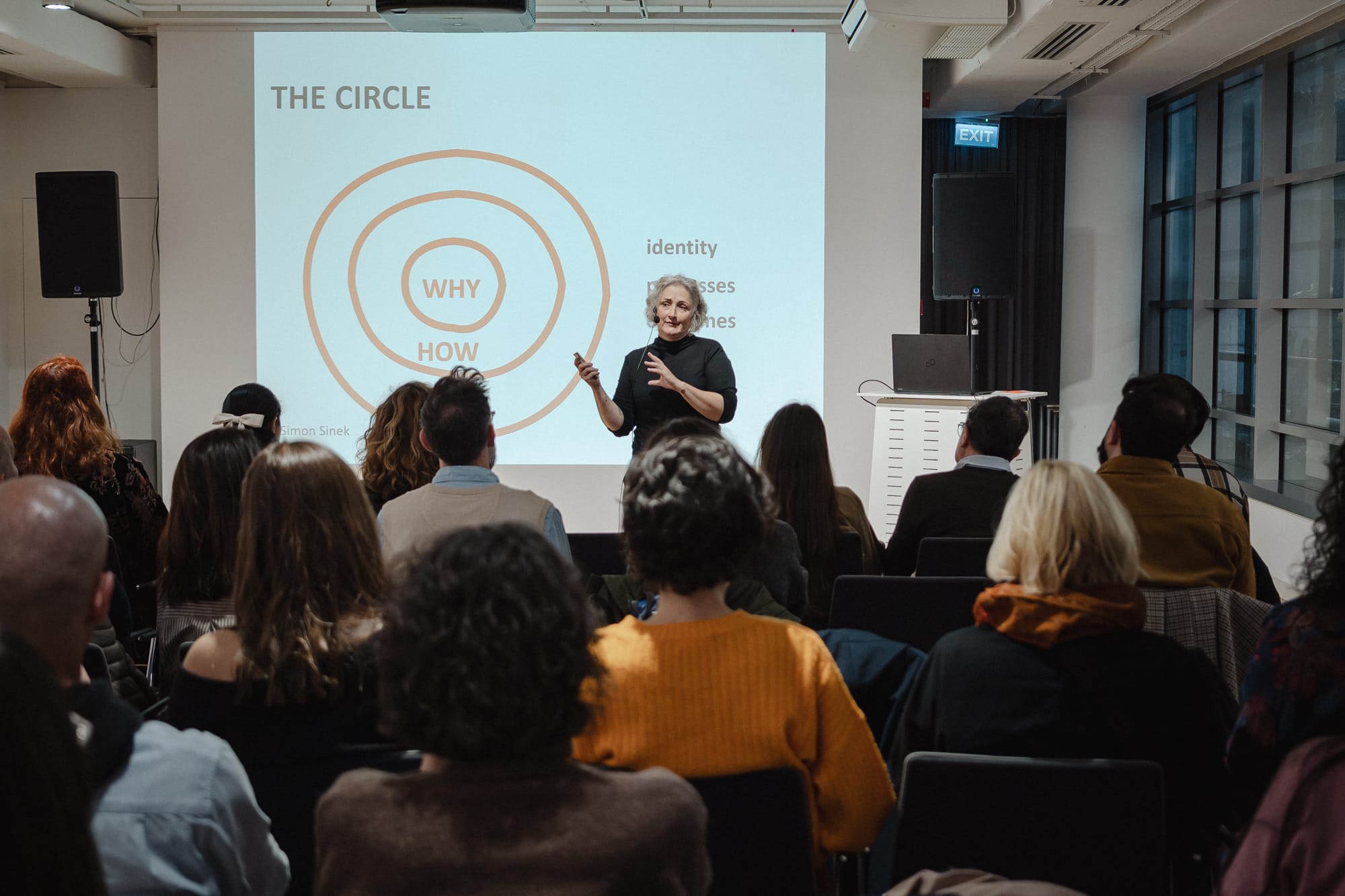
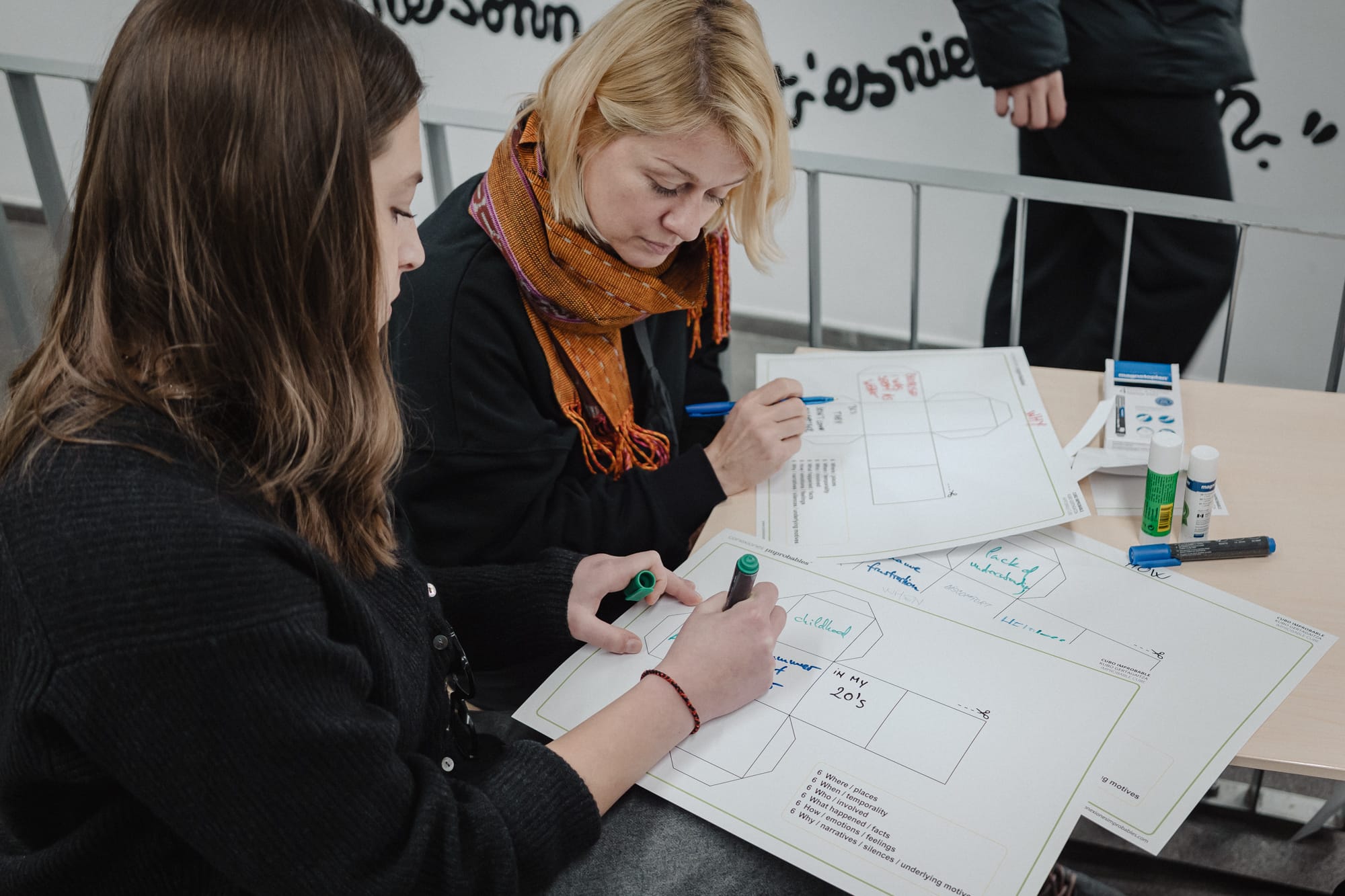
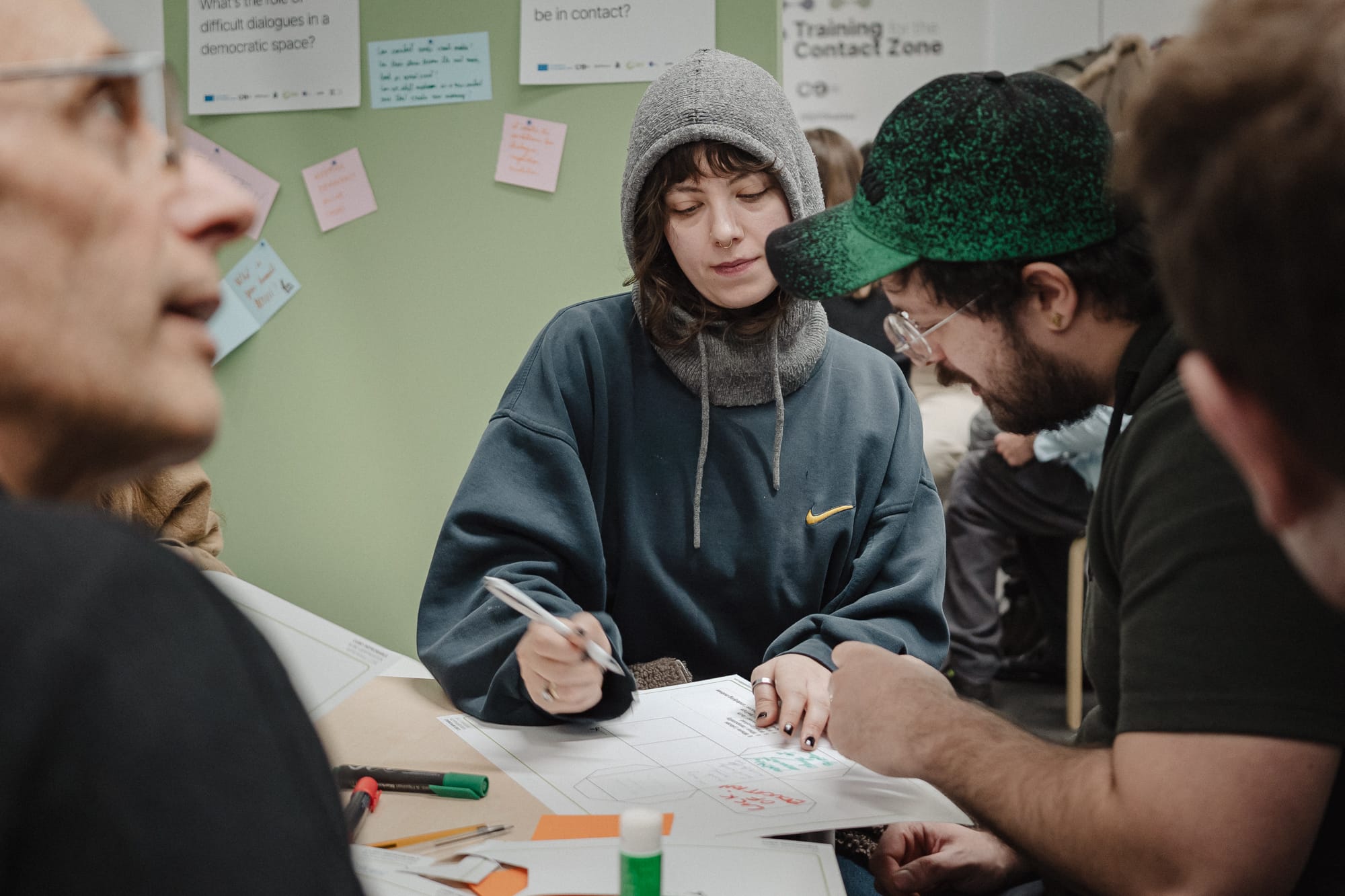
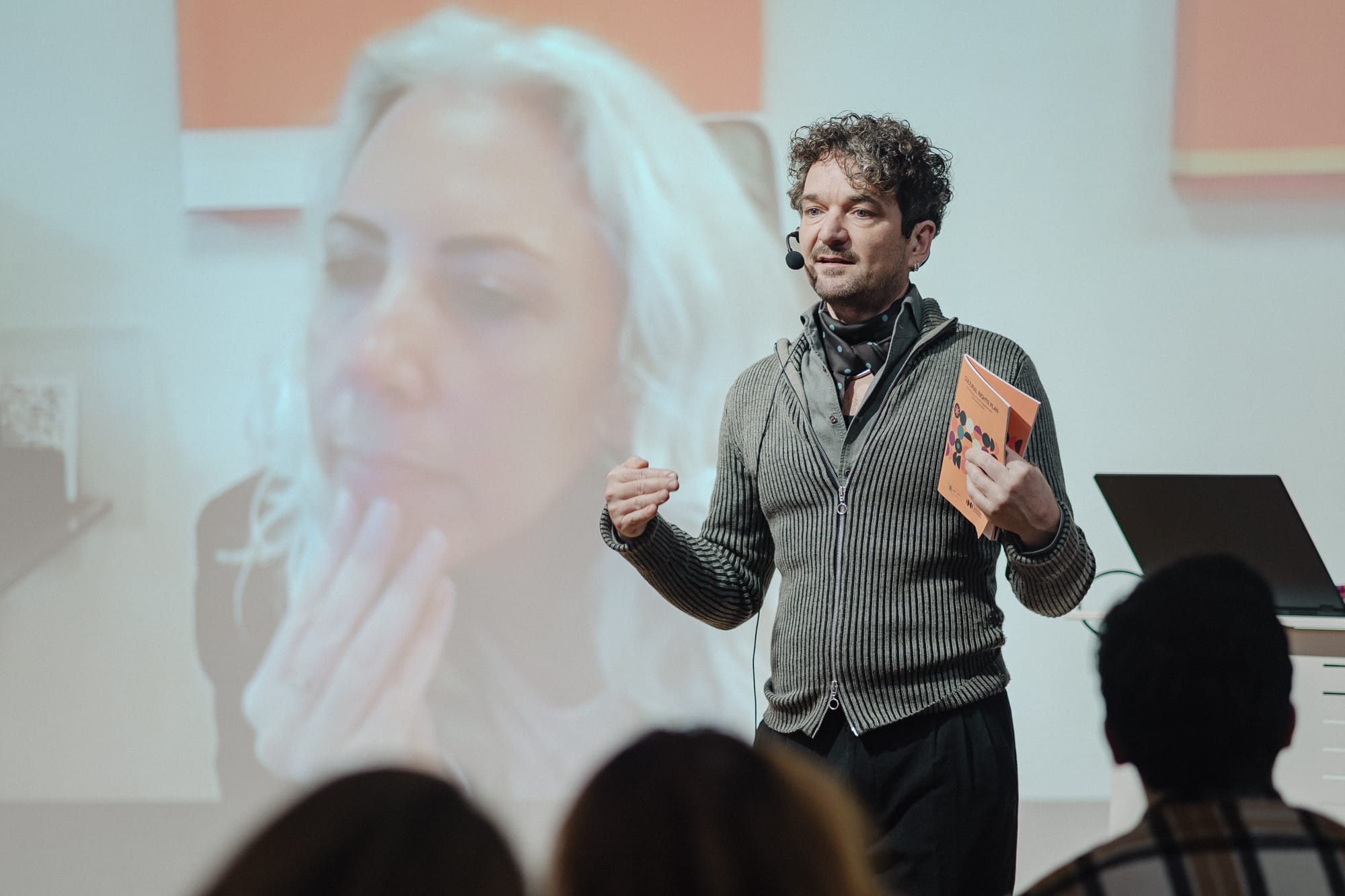
During the conference, participants:
- reflected on political polarisation and anti-democratic shifts in Europe and their relation to culture and heritage
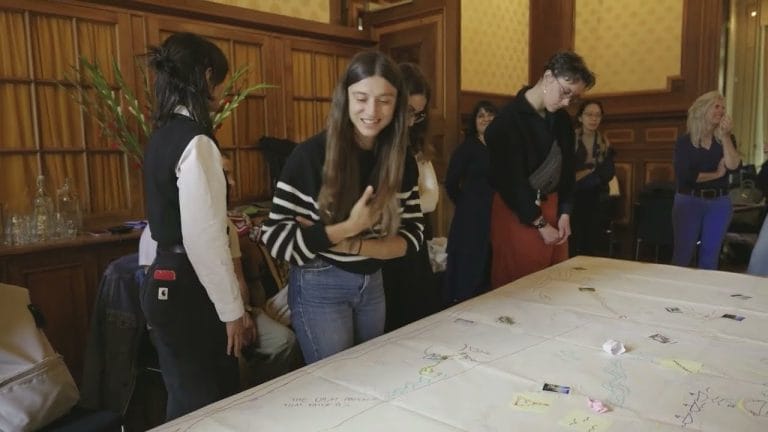
- explored the TCZ curriculum as a tested framework for participatory and inclusive practices
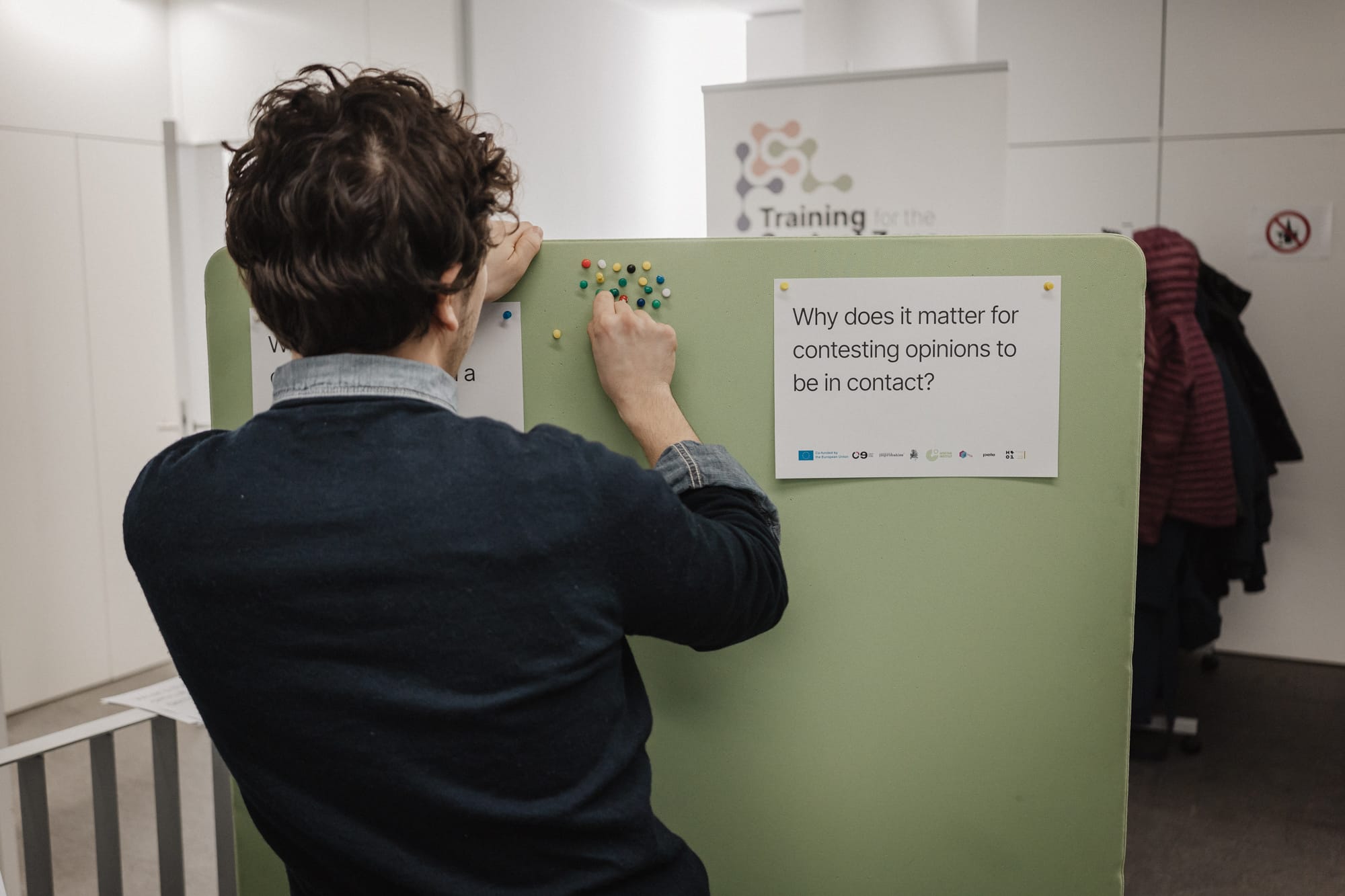
- discussed how TCZ tools could strengthen cultural democracy, civic engagement and intercultural exchange
- considered how TCZ methodologies could inform cultural policy and contribute to structural change
Why the conference mattered
More than a metaphor, the Contact Zone invited participants to rethink how they engage with difference, heritage and power structures.
By equipping practitioners and institutions with critical, creative and participatory tools, the TCZ project contributed to more inclusive and responsive cultural governance.
The conference functioned both as:
- a moment of reflection
- a point of departure
It:
- shared insights from a year of cross-border collaboration
- presented methodologies developed, tested and refined through TCZ
- opened space for dialogue between practice and policy development
Who attended
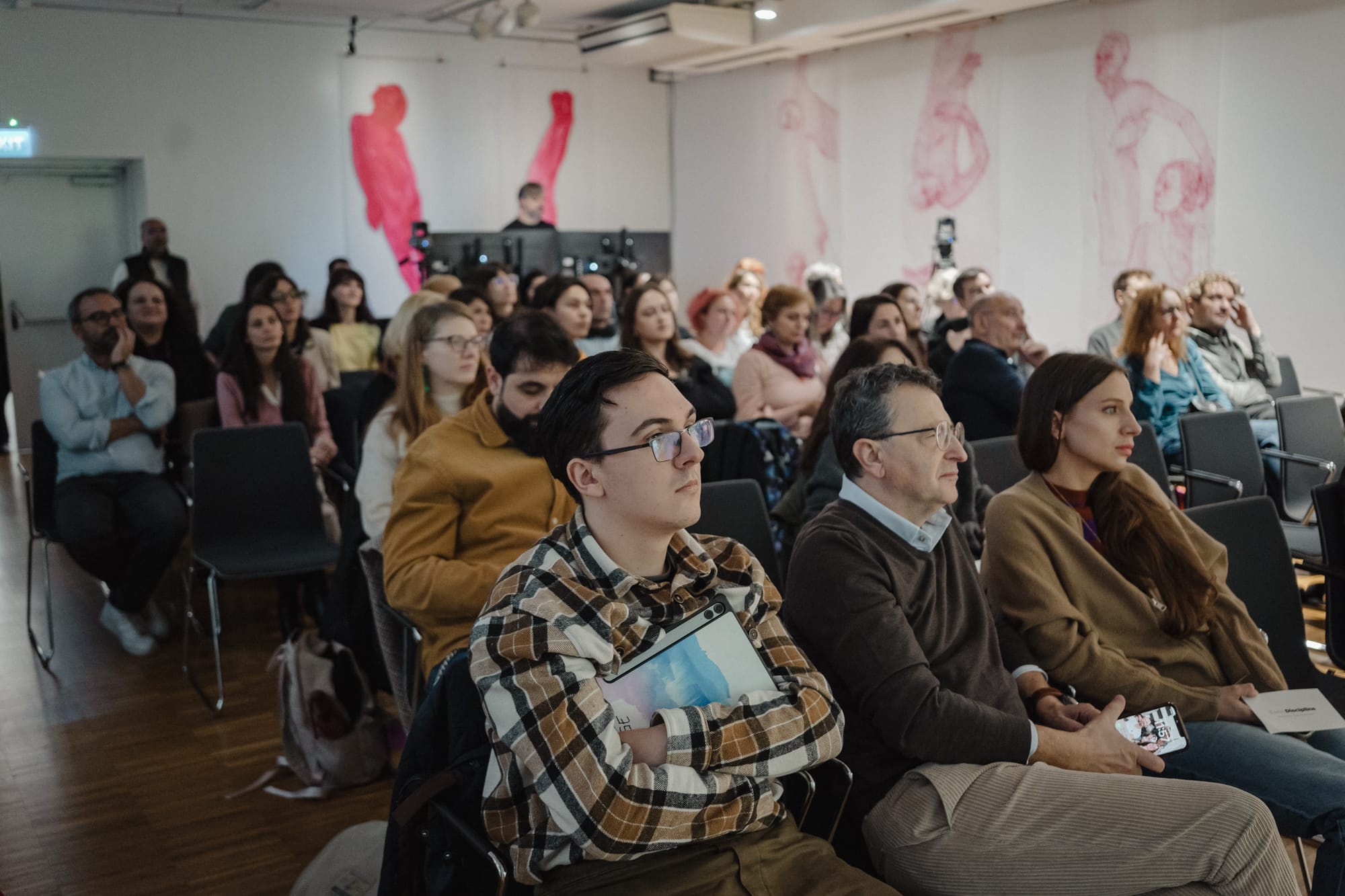
The event brought together practitioners, policymakers, artists, mediators and cultural workers interested in how arts, culture and heritage spaces can function as Contact Zones: not as places where differences are erased, but where they are acknowledged, engaged and transformed into shared understanding.
Follow-up
The conference contributed to the ongoing development of the TCZ project and built momentum towards the July 2026 gathering in Brussels, where project outcomes will inform a policy proposal for more democratic and inclusive cultural governance in Europe.
The Bucharest conference marked an important step in this process, bringing together tools, lived experience and collective reflection to inform future policy rooted in practice.